




 Back to Blogs
12 landmarks to visit in the South of Malta.
While many travellers flock to the capital Valletta and the northern parts of the island, the southern region of Malta is a treasure trove of unique landmarks and experiences that awaits the intrepid traveller. Here you can marvel at anything from ancient temples to quaint fishing villages, as the south of Malta offers an unbelievable and diverse array of attractions that are a testament to the island’s historical and cultural wealth. Here are our top landmarks in the south that every visitor should try and explore:
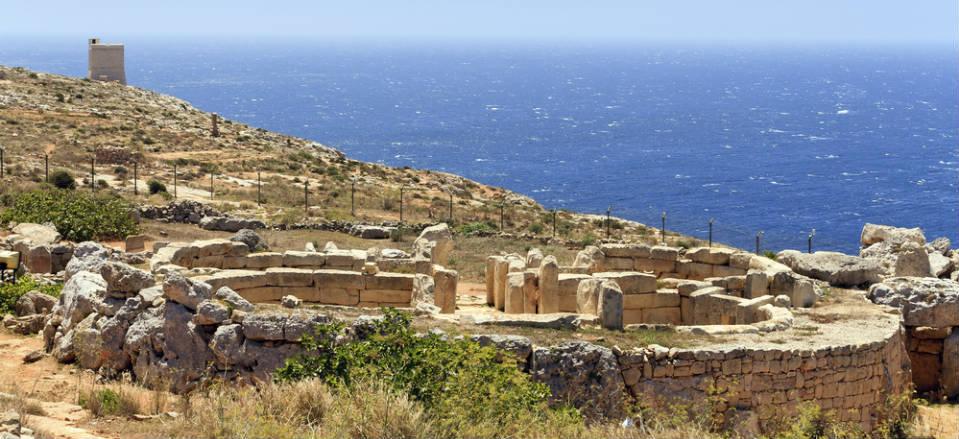
Ħaġar Qim and Mnajdra Temples
Among some of the most significant prehistoric sites in the world, the Ħaġar Qim and Mnajdra Temples are a must-visit for anyone interested in any form of ancient history. Located on the cliffside overlooking the sea, these megalithic structures date back to around 3600-3200 BC. Ħaġar Qim, meaning “standing stones,” is known for its massive limestone blocks, some weighing over 20 tonnes. A short walk away, the Mnajdra Temples feature three distinct but interconnected structures, with intricate carvings and alignments that suggest an advanced understanding of astronomy. Both sites offer a fascinating glimpse into Malta’s distant past and are recognised as UNESCO World Heritage Sites.
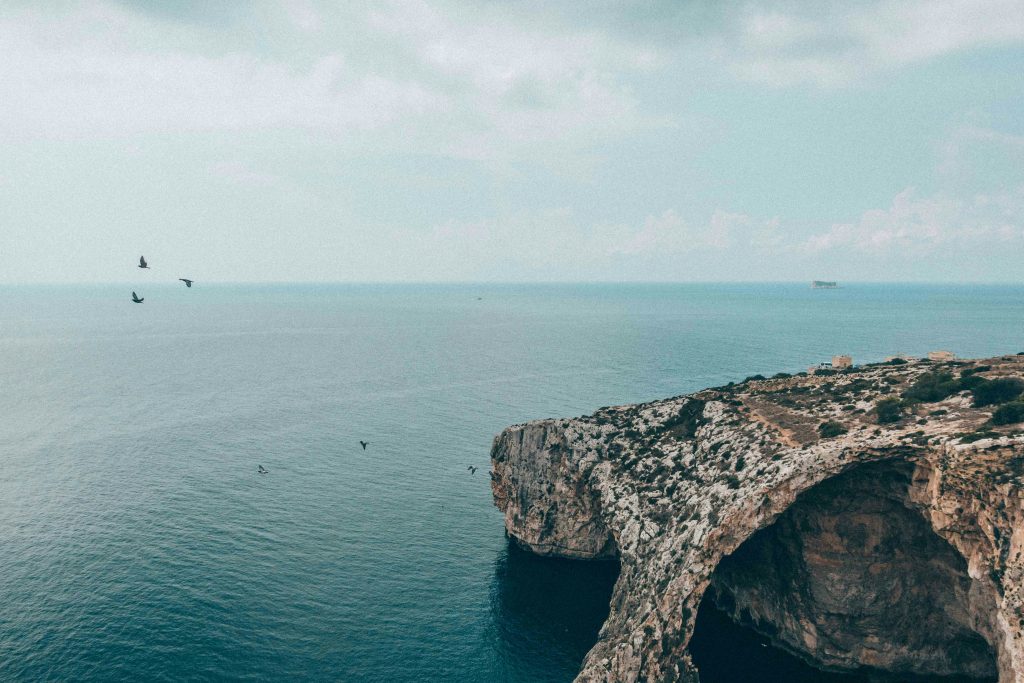
Blue Grotto
The Blue Grotto is a series of sea caves on the southern coast of Malta, famed for their stunning natural beauty and vibrant blue waters. The best way to experience the Blue Grotto is by boat, which allows visitors to see the sunlight reflecting off the white sandy seabed, creating a dazzling array of blues and greens in the water. The largest of the caves, known as the Blue Cave, is particularly impressive with its vast archway and crystal-clear waters. This spot is not only a haven for nature lovers but also a popular destination for divers and snorkelers.
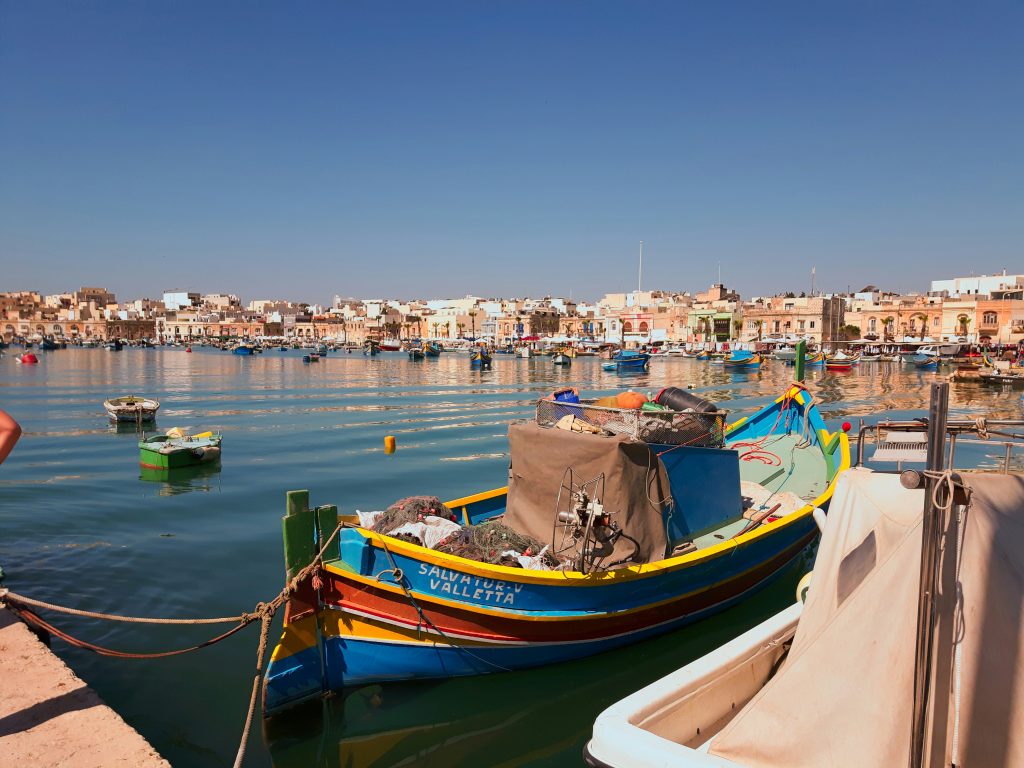
Marsaxlokk
Marsaxlokk is a traditional fishing village that offers a quintessential Maltese experience. Known for its picturesque harbour filled with colourful fishing boats called ‘luzzus,’ Marsaxlokk is the perfect place to immerse oneself in local culture. The village is renowned for its Sunday fish market, where visitors can buy fresh seafood and other local products. The waterfront is lined with excellent seafood restaurants, providing the perfect setting to enjoy a meal while watching the boats bobbing in the harbour. The serene atmosphere and charming scenery make Marsaxlokk a favourite among tourists and locals alike.
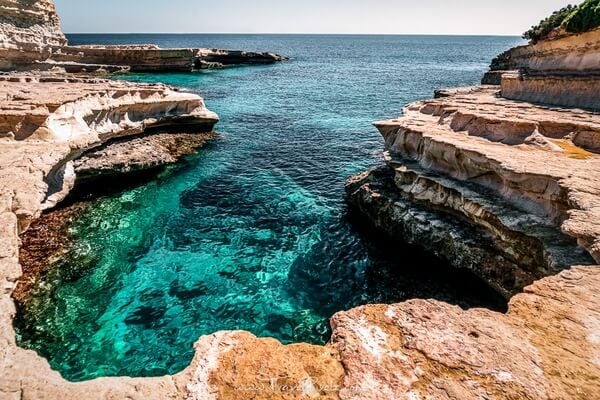
Saint Peter’s Pool
A short drive from Marsaxlokk is Saint Peter’s Pool, a natural swimming pool carved into the limestone rock. This stunning spot is known for its clear turquoise waters and smooth, flat rocks that are perfect for sunbathing. The natural lido is surrounded by high cliffs, providing a sense of seclusion and tranquillity. Saint Peter’s Pool is a popular spot for swimming, snorkelling and even cliff diving for the more adventurous. Despite its popularity, it retains a relatively untouched and peaceful ambiance, making it a perfect escape from the busier tourist areas.
Tarxien Temples
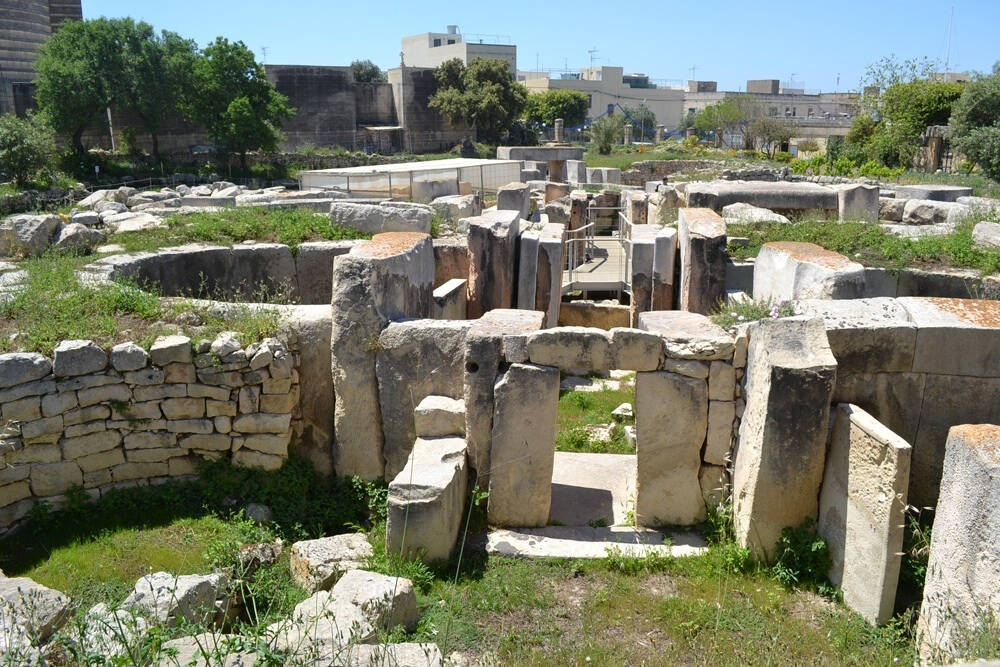
The Tarxien Temples, another UNESCO World Heritage Site, are an important prehistoric complex dating back to around 3150 BC. Located in the heart of the modern town of Tarxien, this archaeological site consists of four megalithic structures adorned with intricate carvings and reliefs depicting animals and spiral motifs. The temples provide valuable insights into the life and beliefs of Malta’s early inhabitants. Notably, the site includes a replica of the famous ‘fat lady’ statues, which are believed to represent fertility deities. The Tarxien Temples are a testament to the advanced construction techniques and artistic skills of the prehistoric Maltese people.
Ghar Dalam Cave
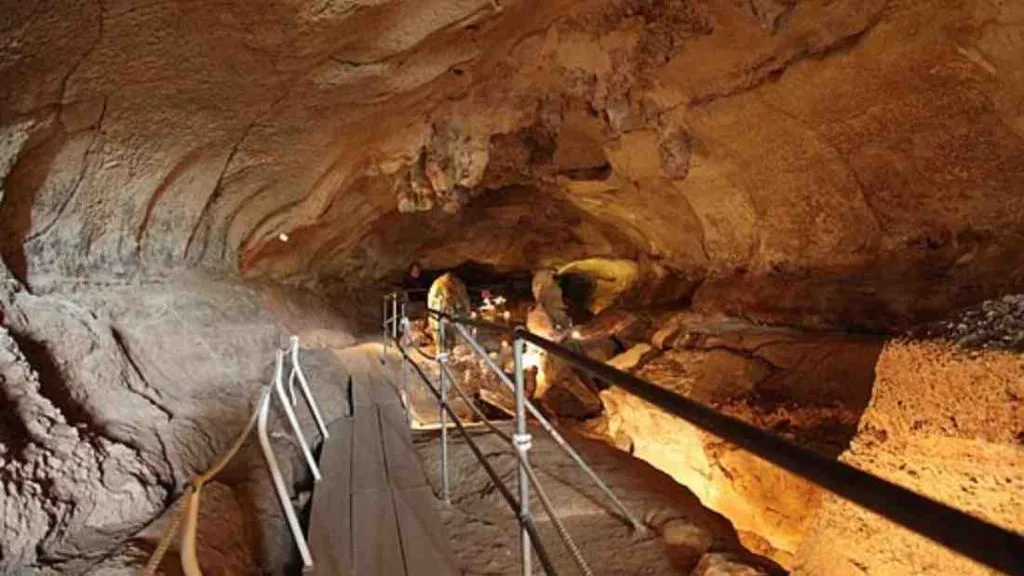
Ghar Dalam Cave, meaning “Cave of Darkness,” is one of the oldest prehistoric sites on the island. This natural cave, located near the village of Birżebbuġa, contains the remains of animals that lived in Malta during the Ice Age, as well as evidence of human habitation dating back to around 7,400 years ago. The site includes a museum displaying fossils and artefacts discovered in the cave. Ghar Dalam provides a fascinating glimpse into Malta’s distant past and the prehistoric era.
Wied iż-Żurrieq
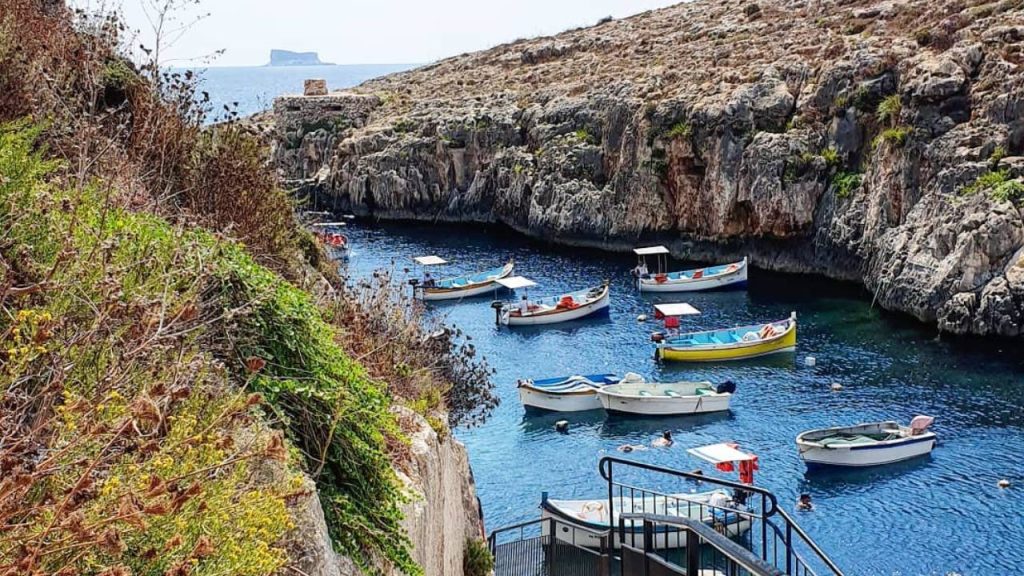
Wied iż-Żurrieq is a narrow, steep-sided inlet on the southern coast of Malta, known for its dramatic scenery and clear blue waters. This area is a popular spot for boat trips to the Blue Grotto, as well as for diving and snorkelling. The inlet is flanked by high cliffs, offering stunning views of the Mediterranean Sea. Wied iż-Żurrieq also boasts a number of excellent seafood restaurants, making it a great place to relax and enjoy the local cuisine after a day of exploring.
Fort St. Angelo
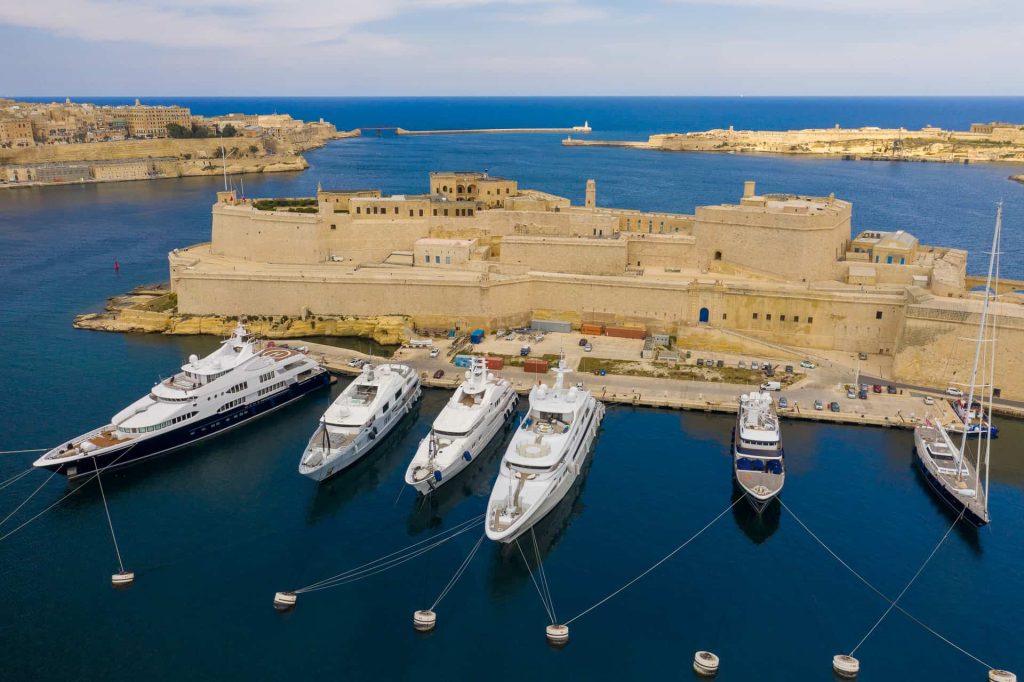
Though primarily located in the southeastern part of the island, Fort St. Angelo is worth mentioning for its historical significance. This impressive fortification, situated at the tip of Vittoriosa (Birgu), played a crucial role in the Great Siege of Malta in 1565. Today, it serves as a museum and cultural centre, offering visitors a chance to explore its well-preserved ramparts and learn about Malta’s rich military history. The fort provides stunning views over the Grand Harbour and the surrounding area, making it a highlight for history enthusiasts and photographers alike.
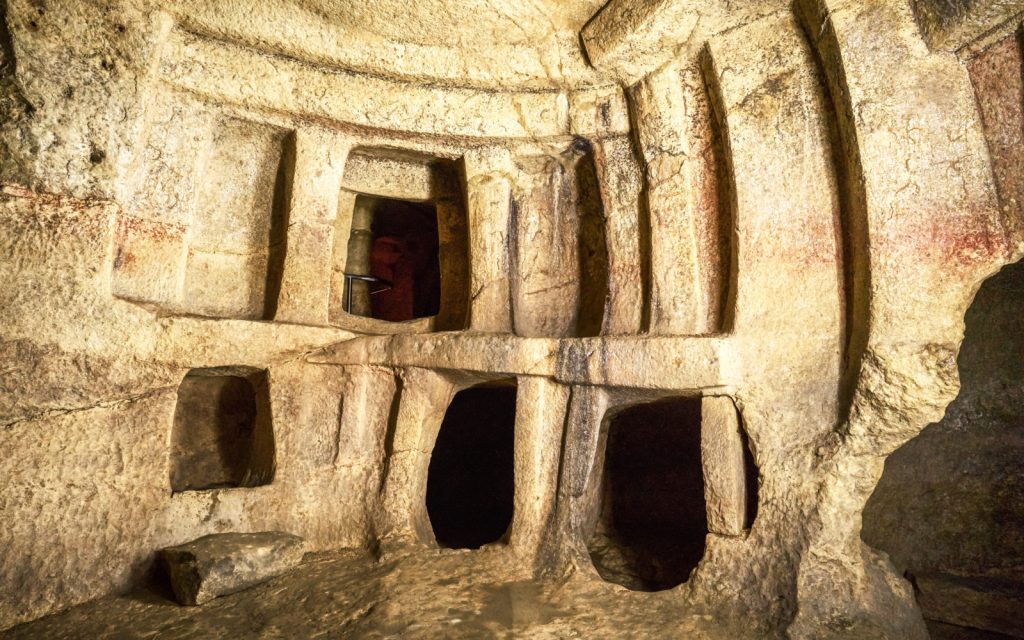
The Ħal Saflieni Hypogeum
Commonly known simply as the Hypogeum, is one of Malta’s most remarkable and enigmatic landmarks. Located in Paola, this subterranean structure is a subterranean necropolis and temple complex dating back to around 4000 BC. It is a UNESCO World Heritage Site and is considered one of the most significant archaeological discoveries in the Mediterranean region. The Hypogeum was discovered completely by chance in 1902 during construction work. Excavations revealed a complex of interconnecting chambers spread over three levels, carved directly into the limestone. The Hypogeum was used both as a burial site and a place of worship by the prehistoric inhabitants of Malta, indicating its dual function in ancient society.
The chambers vary in size and function, with the largest room, known as the “Main Hall,” featuring intricately carved walls and ceilings that mimic the construction techniques seen in above-ground temples. One of the most famous features is the “Oracle Room,” noted for its exceptional acoustics and the “Holy of Holies,” a niche believed to have held ritualistic significance.
Archaeological excavations have uncovered numerous artefacts within the Hypogeum, including pottery, figurines, and personal ornaments. The discovery of over 7,000 human remains offers invaluable insight into the burial practices and rituals of Malta’s prehistoric communities. Among the most iconic finds is the “Sleeping Lady,” a small figurine of a corpulent woman lying on her side, which is thought to represent a deity or fertility figure.
One of the most intriguing aspects of the Hypogeum is its acoustics. Due to its delicate state, the Hypogeum is subject to strict conservation measures. Visitor numbers are limited to ensure the preservation of the site, and advance booking is essential. The restricted access helps maintain the humidity and temperature levels within the Hypogeum, which are crucial for the preservation of its ancient structures and artefacts.
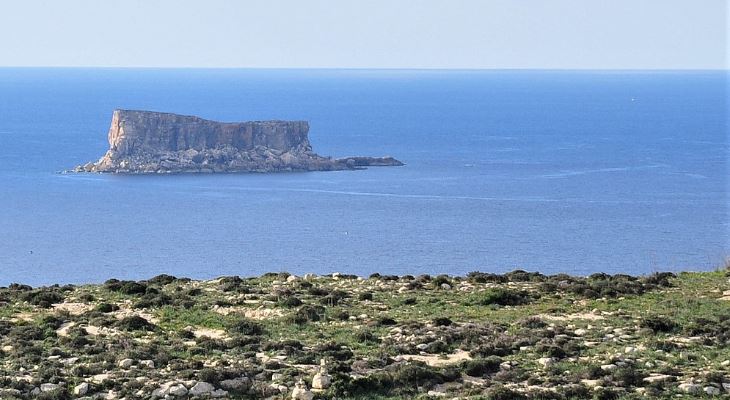
Filfla Island
Filfla Island is a small, uninhabited islet located about 5 kilometres off the southern coast of Malta. Known for its rugged limestone cliffs and flat plateau, Filfla is a protected nature reserve, home to a variety of seabirds, including the European storm petrel. The island has a rich history, once housing a chapel and being used as target practice by the British military until the mid-20th century. Today, landing on Filfla is prohibited without special permission to preserve its delicate ecosystem, making it a fascinating yet largely inaccessible spot for nature enthusiasts and researchers.
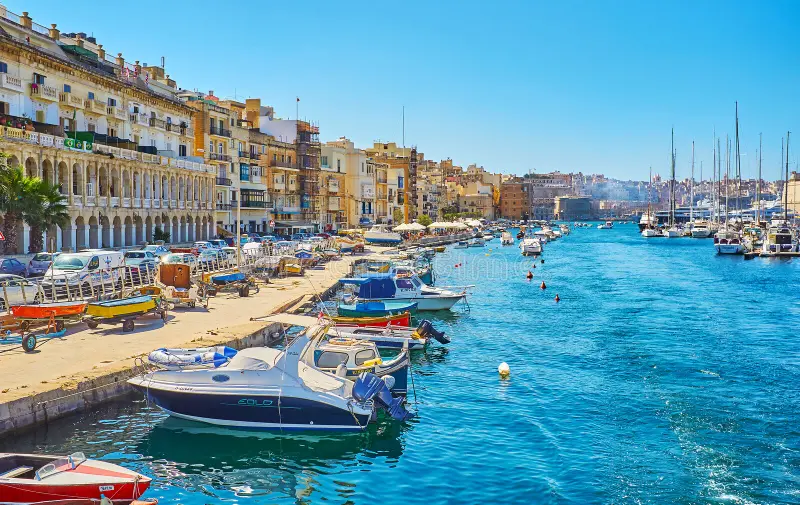
Senglea
Senglea, also known as L-Isla, is one of the historic Three Cities located in the Grand Harbour area of Malta. Rich in maritime heritage, Senglea boasts a charming blend of narrow streets, traditional Maltese architecture, and stunning waterfront views. Key landmarks include the Gardjola Gardens, offering panoramic views of Valletta and the harbour, and the Basilica of Our Lady of Victories, an important religious site. The city played a crucial role during the Great Siege of 1565 and World War II, enduring significant damage but showcasing remarkable resilience. Today, Senglea is a picturesque destination known for its tranquil atmosphere, historic charm, and vibrant community life.
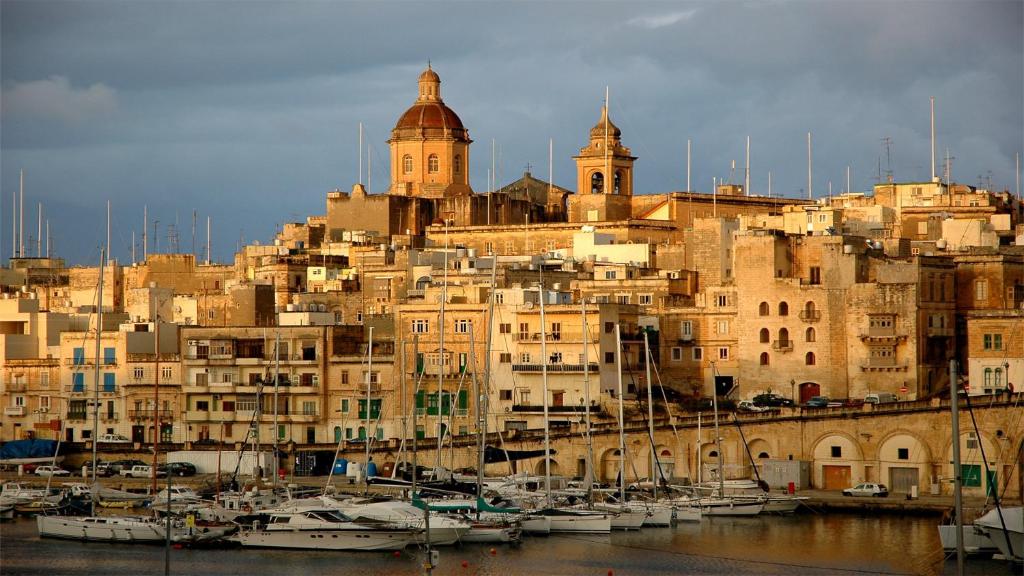
Vittoriosa
Vittoriosa, also known as Birgu, is a historic city located in the southeastern part of Malta, forming part of the famed Three Cities along with Senglea and Cospicua. Renowned for its rich history and well-preserved architecture, Vittoriosa served as the first home of the Knights of St. John upon their arrival in Malta in 1530. Key landmarks include the majestic Fort St. Angelo, which played a pivotal role during the Great Siege of 1565 and the Inquisitor’s Palace, a unique museum showcasing the island’s ecclesiastical history. The city’s charming narrow streets, vibrant waterfront, and the annual Birgu festa, which illuminates the city with candlelight, make Vittoriosa a captivating destination that beautifully blends historical significance with cultural vibrancy.
The south of Malta is a region rich in history, natural beauty and cultural heritage with many more places to explore than what appears here on our list. Malta has something for everyone and if you happen to fall in love with the south of Malta, give us a call as we can show you many historic and modern properties that are for sale. Make the south of Malta your home whether it is for the holidays or on a permanent basis!