




 Back to Blogs
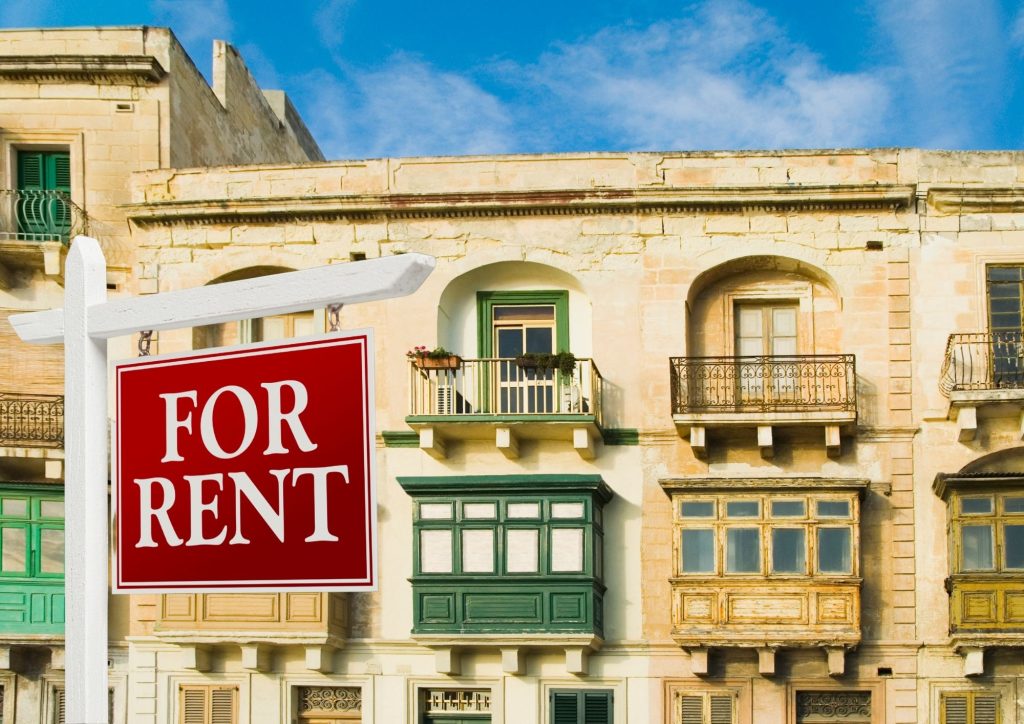
Renting in Malta in 2026 is no longer just about finding a roof over your head. The rental market has evolved alongside changes in how people work, live and relocate.
Whether you are moving for work, returning to the islands or testing life in Malta before buying, taking the right approach from the start will save time, money and frustration. This Malta rental article breaks down the key steps to help you plan and find a property that suits both your current needs and your future plans.
Step 1. Define your reason for looking at renting
Before you begin searching for a property, it is important to understand why you are renting. Some tenants need flexibility, others are relocating permanently and many see renting in Malta as a stepping stone before purchasing a home.
Your reason will influence the type of property you choose, how long you plan to stay and how much flexibility you need in the contract. Someone relocating for a fixed work contract may prefer a fully furnished apartment with a clear exit clause, while a family settling long term may prioritise space and stability. If you are still unsure as what to do, discuss what the best options are for you and your family with your rental agent.
Step 2. Set a realistic budget
Rent should always be viewed as part of a wider monthly cost. In addition to rent, tenants should budget for electricity, water, internet and TV services.
Most rental contracts in Malta require one month’s rent as a security deposit, along with rent paid in advance. Understanding these upfront costs is essential, especially for those new to the market. Ask your agent what the total layout costs will be once you have decided on a property.
As a general guide, your rent should allow you to live comfortably without compromising your savings or quality of life. This is particularly important for people who are renting in Malta, especially for those who face additional relocation expenses and initial setup costs.
Step 3. Choosing the right type and size of property
Renting an apartment in Malta remains the most common choice, especially in towns and urban centres where amenities are close by. Apartments are often easier to maintain and are widely available in a range of price points.
That said, demand is growing for larger homes such as maisonettes, townhouses and villas. This shift reflects changes in lifestyle, particularly the rise of remote and hybrid working. Many tenants now need a dedicated home office, extra storage or simply more living space.
When deciding on size, think about how many people will live in the property now and how that might change. Couples planning to get married or start a family should consider an additional bedroom to avoid having to move again too soon. On the other hand, renting more space than what you need may push up rent and running costs unnecessarily.
Step 4. Your location should support your daily life
When you are looking to rent property in Malta, the location matters just as much as the property itself. Rather than focusing on its reputation alone, think about how the area fits into your daily routine. This means you have to consider travel time to work or school, parking availability, access to shops and healthcare and noise levels during evenings and weekends. Visiting an area at different times of day can reveal a lot about how it actually feels to live there.
For those unsure where they want to settle, renting in Malta on a short term basis in the beginning can be a practical solution. A short let Malta option, including licensed accommodation through Malta Holiday Lets (a Frank Salt Real Estate Company), allows you to explore different locations before committing to a long lease. Whether you are considering a long or short-term rental, our best advice is to speak to our consultants first: outline your budget, preferences, lifestyle and needs clearly so they can help narrow down the best possible candidates. This will save you considerable time. Also be ready to make a decision fairly quickly, as properties in desirable locations usually end up with multiple tenants vying for it.
Step 5. Choose amenities that make a real difference
Tenants are more selective about amenities than ever before. Reliable internet, good natural light, lift access and energy-efficient appliances are now seen as essentials rather than extras.
Outdoor space, even a small balcony, is highly valued, as is secure parking. While features such as pools and gyms can be attractive, they should be weighed against cost and how often they will realistically be used.
When viewing properties, focus on amenities that will improve your everyday living rather than those that simply look impressive on the listings.
Step 6. Understand Malta’s rental processes and tenancy laws
Malta’s rental process is more structured than it was in the past. Rental contracts in Malta must be registered with the Housing Authority and clearly outline the terms agreed upon between the landlord and tenant.
Malta tenancy laws in 2026 place strong emphasis on transparency, defined lease periods and notice requirements. Your contract should clearly state the length of the lease, rent amount, renewal terms and your responsibilities when it comes to maintenance and repairs.
Working with a licensed estate agent helps ensure that contracts are compliant and that tenants fully understand their rights and obligations before signing. If anything is unclear to you, ask your agent to clarify the terms and conditions to you before you commit.
Step 7. Plan ahead for unexpected life changes
One of the most common mistakes tenants make is only planning for the present. Life changes such as marriage, starting a family or changes in employment can quickly make a property unsuitable.
When renting in Malta, think about how flexible the property and contract are if your circumstances change. Is there an option to renew? Can the property still work if your household grows or your work situation changes? Forward planning can prevent unnecessary disruption later on.

Guidance for foreigners relocating to Malta
Renting a property in Malta by foreigners is the first step towards settling in on the islands. Renting allows you time to understand the neighbourhoods, schools, commuting patterns and lifestyle before making a long-term commitment.
Some newcomers initially begin with a short let in Malta before moving to a long let once residency and employment conditions are finalised. This phased approach reduces pressure and leads to better long-term decisions.
Having professional guidance is especially valuable when navigating local practices, documentation and expectations that may differ from those in your home country.
IMPORTANT READ: Rental periods in Malta as clarified by law
Under Maltese law, a Long Private Residential Lease (LPRL) is a residential tenancy intended as a primary home and subject to a statutory minimum duration of one year. Any lease agreement that purports to run for less than one year is, by operation of law, deemed to have a one-year term, unless it validly qualifies as a short private residential lease under the Act.
Although the legal threshold for an LPRL is one year, market practice and regulatory enforcement generally treat residential leases exceeding six months as long lets. Such leases must be registered with the Housing Authority and are subject to the enhanced tenant protections set out in the PRLA.
Legal classifications
- Long Private Residential Lease (LPRL): A lease of a dwelling used as a principal residence with a duration of at least one year. Any agreement stipulating a shorter period is automatically converted to a one-year lease unless it falls within a recognised short-let category.
- Short Private Residential Lease (SPRL): A lease with a term of less than six months, permitted only in limited circumstances, such as accommodation for non-resident workers, student or residents leasing an alternative residence.
Core rules applicable to long lets
- Minimum duration: One year is mandatory.
- Tenant termination rights: Tenants may terminate early by giving notice after prescribed minimum occupation periods (for example, six months for leases under two years, nine months for leases of two to three years, and twelve months for leases exceeding three years).
- Landlord termination obligations: Landlords must notify tenants at least three months before the lease expiry by registered mail; failure to do so results in automatic renewal.
- Registration requirement: All LPRLs must be registered with the Housing Authority.
In summary, Maltese law effectively imposes a one-year minimum term for standard residential rentals, providing stability and protection for tenants, while short-term leases remain strictly regulated and allowed only in clearly defined situations.
How Frank Salt Real Estate can help
Frank Salt Real Estate offers a holistic circle of services designed to support tenants at every stage of their journey. From helping you choose the right area and property type to guiding you through contracts and future planning, the focus is on long-term suitability rather than quick fixes.
For those considering buying later, renting becomes a strategic first step, supported by market insight and continuity of service across sales, rentals and relocation.
Moving forward with confidence
Renting in Malta in 2026 is about making informed choices that suit your lifestyle today while allowing room for tomorrow. With clear priorities, a realistic budget and professional support such as ours, finding the right home becomes a far more positive experience.
If you are ready to explore your options, speak with Frank Salt Real Estate’s Letting Division for longer lets or Malta Holiday Lets for short lets and take the next step with clarity and confidence.