




 Back to Blogs
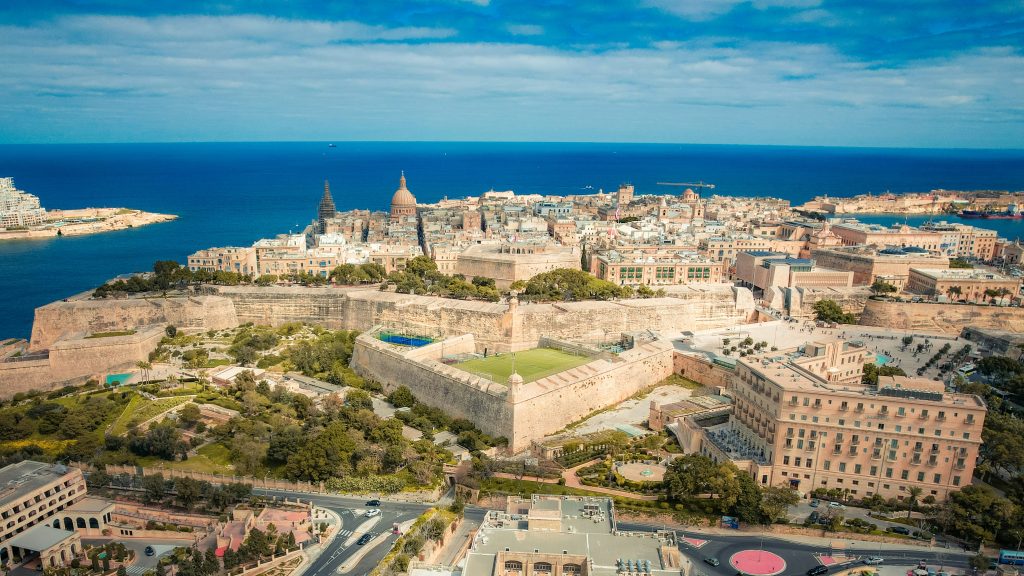
Looking to obtain residency in Malta? Whether you’re an EU national benefiting from free movement or a non-EU citizen applying through the Global Residence or Nomad Permit, understanding Malta’s residency routes, costs and legal steps is essential. This guide also explains how Frank Salt Real Estate can help you find qualifying property to rent or buy in Malta.
Why choose Malta for residency
Malta combines a favourable tax regime, English‑speaking society and high quality healthcare. EU citizens benefit from streamlined registration procedures while non‑EU citizens can tap into dedicated programmes designed to attract investment and skill. Recent global trends towards remote work and digital mobility mean Malta’s residency options are more relevant than ever.
The residency route for EU citizens
EU nationals (including those from EEA countries and Switzerland) enjoy an automatic right to live and work in Malta. The key steps are:
- Registration certificate: Within three months of arrival, you must apply for a registration certificate from the Identity Malta Agency.
- Proof of means: Show that you have sufficient income or employment, or that you are self‑sufficient with comprehensive health cover.
- Costs and timeframe: The certificate application fee is around €15 and processing typically takes two to four weeks. There are no minimum investment thresholds.
Once registered, you receive a certificate valid for five years, renewable subject to continued eligibility. Legally you must reside more than half the year (over 183 days) to maintain tax residence, although non‑EU nationals have different minimum stay requirements under specific programmes.

The residency route for non‑EU citizens
Non‑EU nationals must choose between several programmes, the most popular being the Malta Global Residence Programme (GRP) and the Nomad Residence Permit should you not fall under the Single Permit that is required for employment in Malta.
Malta Global Residence Programme
- Eligibility: Third‑country nationals purchasing a property for at least €300 000 in the northern harbour area or €350 000 elsewhere; or renting at a minimum annual rate of €10 000 or €12 000 respectively.
- Tax and legal: A flat 15 per cent tax on foreign‑source income remitted to Malta, subject to a minimum annual tax liability of €15 000.
- Application process: After obtaining an in‑principle approval, you must secure a qualifying property, then apply for the residence certificate. Total timeframe is around three to four months.
- Costs: Government fees are approximately €5 000; professional fees for legal and tax advice add around €3 000 to €5 000.
Nomad Residence Permit
Launched in 2021, this permit targets remote workers who wish to live in Malta without entering the local labour market.
- Eligibility: Proof of remote work for an employer or clients outside Malta; minimum annual income of €35 000.
- Property requirement: No strict purchase requirement but a one‑off government levy of €300 applies.
- Timeframe: Approval usually takes one to two months.
- Costs: Permit fee €300 plus standard visa fees if applicable.
How Frank Salt Real Estate can help
Frank Salt Real Estate, with over 56 years of experience, specialises in matching buyers and renters with properties that meet residency programme criteria. Their services include:
- Comprehensive listings: Access to apartments and villas in key locations – Sliema, St Julian’s and Valletta – ideal for GRP thresholds.
- Tailored advice: Consultants advise on the best areas for price appreciation and rental yields, ensuring your property investment aligns with residency rules.
- End‑to‑end support: From property search to negotiations and legal formalities, including liaising with solicitors to expedite title transfers.
- Rental solutions: For those opting to rent, Frank Salt maintains a portfolio of furnished and unfurnished units meeting minimum annual rent requirements.
Legal considerations and tax compliance
All applicants must comply with anti‑money laundering checks and provide police conduct certificates. Non‑EU applicants under the GRP must appoint a Maltese tax representative. EU nationals need only demonstrate self‑sufficiency or employment. Engaging a local lawyer from the outset can prevent delays and ensure compliance with property acquisition and residency laws.
Benefits of Malta residency
Once granted residency, the individual can:
- Live and work: EU citizens work freely; non‑EU under Nomad Permit can reside without local employment.
- Schengen access: Malta’s Schengen membership allows visa‑free travel across 26 European countries.
- Healthcare and education: Access to Malta’s public health system and state or private schools.
- Family reunification: Spouses and dependent children under 18 can be included in applications.
- Quality of life: Enjoy a stable legal framework, English as an official language and a warm Mediterranean climate.
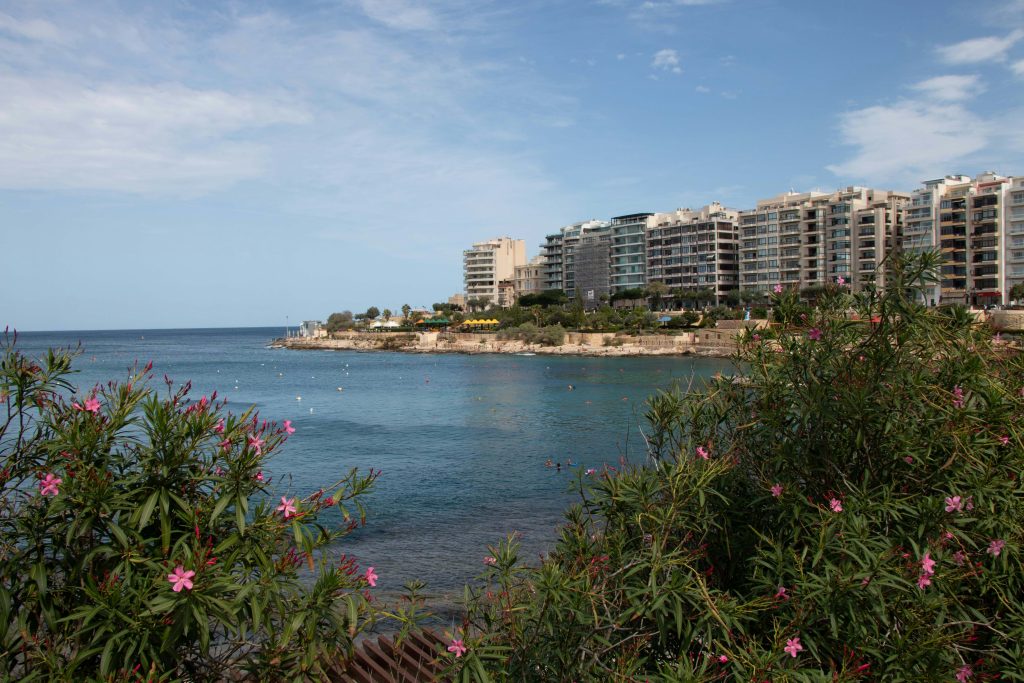
Below are tables to make quick, easy assessments and comparisons between EU and Non-EU options
1. Legal basis and eligibility
Aspect | EU Citizens | Non‑EU Citizens |
Legal right | Free movement within EU; automatic right to reside | Must apply under a specific programme (e.g. GRP, Nomad Permit) |
Visa required | No | Yes (unless already in Malta legally) |
Registration type | Registration Certificate | Residence Permit under chosen programme |
2. Residency requirements
Aspect | EU Citizens | Non‑EU Citizens |
Proof of income | Must show employment, self‑employment or self‑sufficiency | Varies by programme; GRP requires regular income or economic self-sufficiency |
Minimum property value (to qualify) | Not applicable | €300,000–€350,000 (GRP); or rent from €10,000 annually |
Health insurance | Required unless employed with social contributions | Comprehensive private cover required unless employed legally and full-time |
Minimum stay | 183 days (for tax residency) | Not strictly required unless aiming for tax residence; varies by permit |
3. Application process and timeframe
Aspect | EU Citizens | Non‑EU Citizens |
Application body | Identity Malta | Residency Malta Agency or Identity Malta depending on permit |
Timeline | 2–4 weeks | 1–4 months (depending on permit) |
Fees | €15 | €300–€5,000+ (excluding legal and property costs) |
Documents | Passport, proof of income/health insurance, address | Proof of income, health insurance, police conduct, property documentation |
4. Tax implications and obligations
Aspect | EU Citizens | Non‑EU Citizens |
Tax residency | After 183 days | Optional under GRP, based on residence and remitted income |
Tax rate | Standard Maltese progressive rates | 15% on foreign income remitted (GRP), minimum €15,000/year or progressive if employed |
Tax representative | Not required | Required under GRP and other some of the other programmes. If employed, your employer becomes your tax representative |
5. Benefits of residency
Aspect | EU Citizens | Non‑EU Citizens |
Work rights | Full access to Maltese labour market | Limited unless using specific permits (e.g. employment licence, Nomad Permit does not allow local work) |
Access to healthcare | Public healthcare if employed or insured | Access through private insurance or public system if contributing |
Family reunification | Can bring dependents | Can bring spouse and minor children (varies by permit) |
Schengen travel | Included | Included (once permit is granted) |
6. Property options with Frank Salt Real Estate
Aspect | EU Citizens | Non‑EU Citizens |
Property purchase needed? | No, optional | Required under GRP (€300,000–€350,000) or qualifying rent |
Frank Salt Real Estate Services | Full support for buying, renting or investing | Specialised support identifying qualifying GRP properties; legal liaison included |
Popular areas | Sliema, St Julian’s, Swieqi, Gzira | Same areas, plus Mellieha, Marsascala and south-east Malta for value options |
Choosing the right path
Your choice depends on nationality, income level and intended length of stay. EU nationals benefit from minimal bureaucracy and no property investment, while non‑EU nationals gain from targeted programmes that balance cost and tax optimisation. Frank Salt Real Estate is ready to guide you through every step – from finding a property that meets residency requirements to handling certain aspects of your legal documentation. Our local expertise ensures you secure the right address or qualifying property to complete your application swiftly. We offer a full circle of holistic services that will make settling in Malta a lot easier.
Take the next step by contacting Frank Salt Real Estate’s Client Services team. With precise market knowledge and personalised support, we will help you unlock the doors to your new life in Malta.