




 Back to Blogs
History of Malta and Gozo
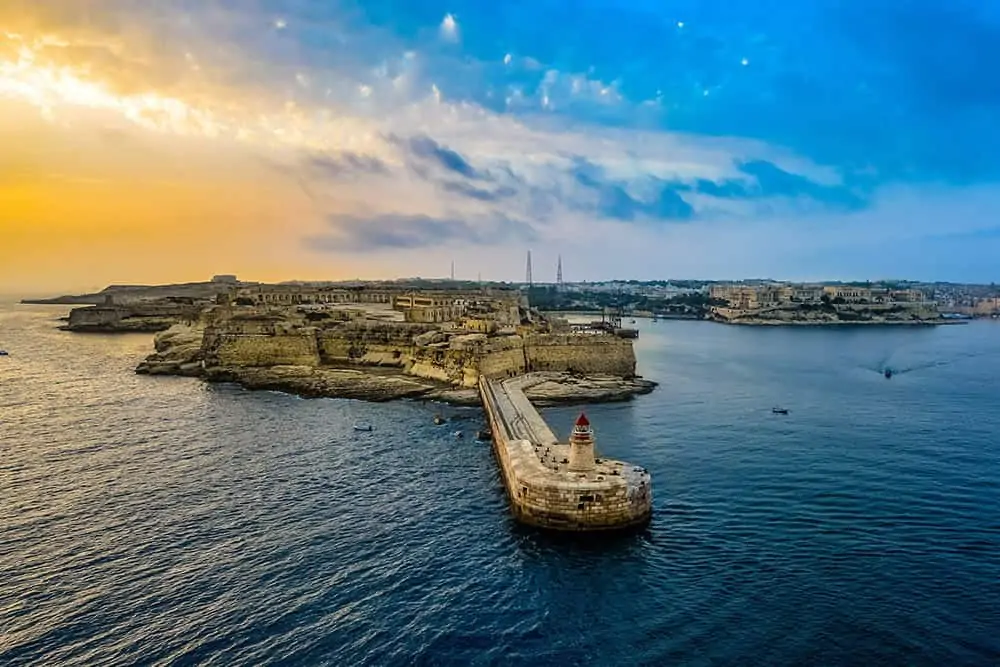
Malta and Gozo are often celebrated for their rich history, with well-known landmarks such as Mdina’s medieval cityscape and Valletta’s Grandmaster’s Palace. However, beyond the typical tourist itinerary lies an array of significant yet lesser-known historical buildings that provide a deeper insight into the islands’ multifaceted past. This article uncovers both famous and hidden architectural treasures that have played pivotal roles in shaping Malta and Gozo’s history. Since there is so much coverage about the more famous landmarks, we decided to elaborate and spend a bit more time and research on especially the lesser-known ones as we believe they also deserve a turn in the spotlight. Here’s our list of 31 historic buildings and sites, some being perennial favourites but this time mixed in with some remarkable and often overlooked gems. We start with our list first:
Valletta’s World-Famous Treasures are:
- St John’s Co-Cathedral – Baroque masterpiece with Caravaggio’s famous painting.
- The Grandmaster’s Palace – Former seat of the Knights of St John, now the Presidential Palace.
- The Manoel Theatre – One of Europe’s oldest working theatres.
- Auberge de Castille – Historic seat of the Knights, now the Prime Minister’s office.
- Fort St Elmo – Site of the Great Siege of 1565, now home to the National War Museum.
Mdina & Rabat’s Gems are:
- St Paul’s Cathedral, Mdina – Majestic baroque cathedral at the heart of the Silent City.
- Palazzo Falson – One of Mdina’s oldest noble houses, now a museum.
- St Paul’s Catacombs, Rabat – A vast network of early Christian burial chambers.
- Domus Romana – Remains of an ancient Roman villa with exquisite mosaics.
- The Mdina Dungeons – Underground medieval prisons showcasing Malta’s darker history.
The Legendary Buildings of The Three Cities (Birgu, Senglea, Cospicua) are:
- The Inquisitor’s Palace, Birgu – The only surviving inquisitorial palace in Europe.
- Fort St Angelo, Birgu – Key defensive stronghold during the Great Siege of 1565.
- Gardjola Gardens, Senglea – Historic watchtower offering panoramic views.
- Auberge d’Angleterre, Birgu – One of the oldest auberges of the Knights.
- Church of St Lawrence, Birgu – Historic church that predates the Knights of St John.
Delights to be found in Northern & Central Malta:
- The Red Tower (St Agatha’s Tower), Mellieħa – 17th-century watchtower guarding Malta’s northern coast.
- Verdala Palace, Buskett – The official summer residence of Malta’s President.
- Casa Leoni, Santa Venera – Former Grand Master’s summer palace.
- Mistra Battery, Xemxija – A neglected yet important 18th-century coastal fortification.
- Għar il-Kbir, Clapham Junction – Prehistoric troglodyte cave dwellings.
And Gozo Packs a Punch with:
- The Cittadella, Victoria – Gozo’s fortified medieval city.
- Fort Chambray – 18th-century fortress with panoramic views.
- The Santa Cecilia Chapel, Għajnsielem – The oldest surviving chapel in Gozo.
- Ta’ Kola Windmill, Xagħra – One of the best-preserved windmills in Malta and Gozo.
- The Basilica of Ta’ Pinu, Għarb – A significant pilgrimage site with miraculous origins.
- The Ġgantija Temples, Gozo – Among the most extraordinary historical sites in the Maltese archipelago and a UNESCO World Heritage Site.
While Southern Malta does not disappoint with:
- The Ħaġar Qim Temples – UNESCO-listed prehistoric megalithic temple complex.
- The Mnajdra Temples – Another set of well-preserved prehistoric structures.
- Torri Xutu, Wied iż-Żurrieq – A coastal watchtower built by the Knights.
- The Hal Saflieni Hypogeum, Paola – Underground prehistoric burial site dating back over 5,000 years.
- St Thomas Tower, Marsaskala – One of Malta’s largest coastal watchtowers.
Now that we have our list, let’s delve into the finer details of a few of them, some well-known and some not:
St John’s Co-Cathedral, Valletta
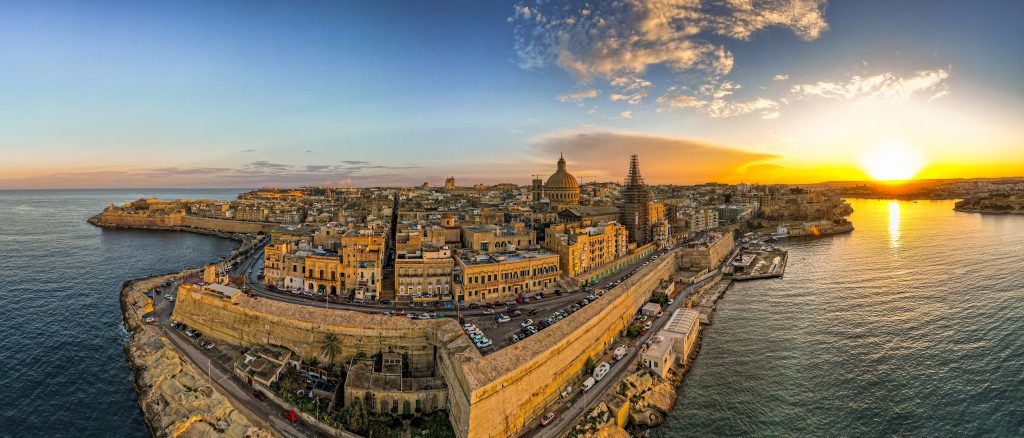
One of Malta’s most famous landmarks, St John’s Co-Cathedral, was built between 1572 and 1577 by the Knights of St John. While its austere exterior may seem unassuming, the interior is a masterpiece of baroque artistry, featuring intricate gold leaf decorations and Caravaggio’s renowned painting, The Beheading of St John the Baptist. The cathedral not only serves as a religious site but also as a repository of the Knights’ rich artistic and historical legacy.
The Grandmaster’s Palace, Valletta
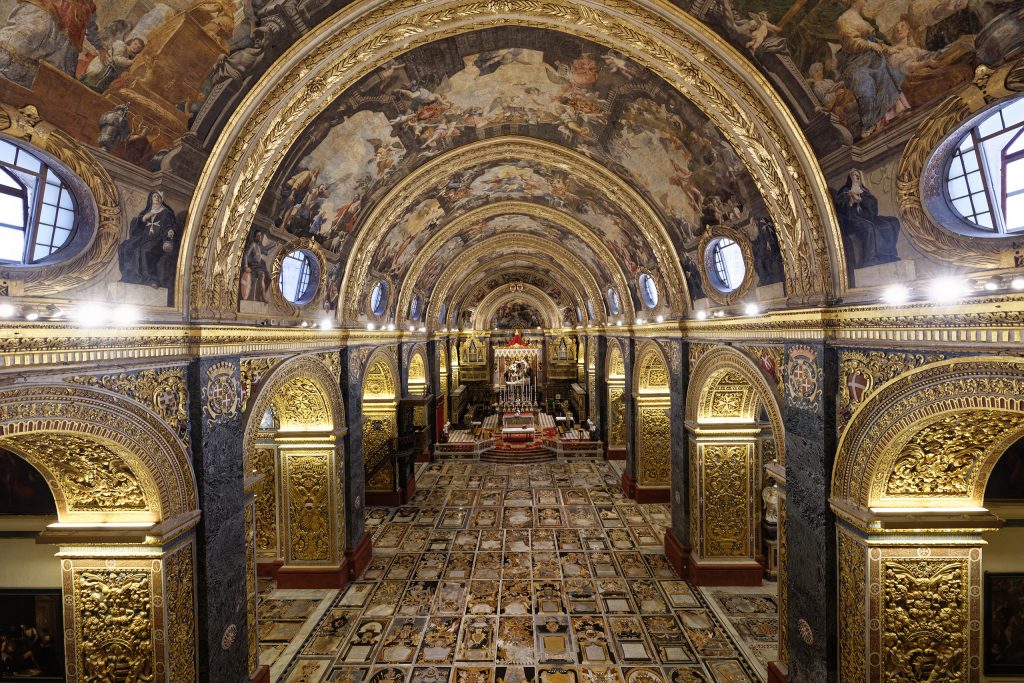
The Grandmaster’s Palace, located in the heart of Valletta, has stood as the centre of power in Malta since its construction in the 16th century. It was originally the residence of the Grand Masters of the Knights of St John and later served as the seat of the British colonial government. Today, it houses the Office of the President of Malta and is famed for its lavish staterooms and the impressive Armoury, which showcases a vast collection of weapons and armour used by the Knights.
The Red Tower (St Agatha’s Tower), Mellieħa
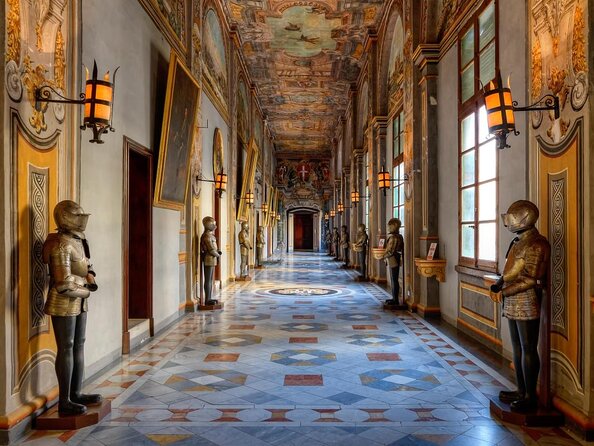
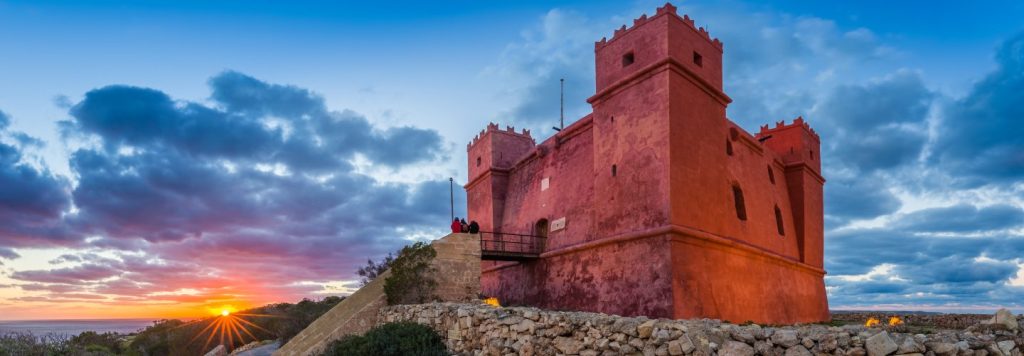
Standing sentinel over the northernmost reaches of Malta, the Red Tower, also known as St Agatha’s Tower, was constructed in 1649 by the Knights of St John. It was a crucial stronghold designed to safeguard the Maltese archipelago from Ottoman invasions. Unlike Valletta’s fortifications, the Red Tower’s striking hue and its strategic location overlooking Comino and Gozo make it an imposing yet often overlooked piece of military architecture. Despite its small size, the structure was armed with cannons and housed a garrison of soldiers who could communicate with other fortifications through an intricate network of watchtowers.
The Inquisitor’s Palace, Birgu
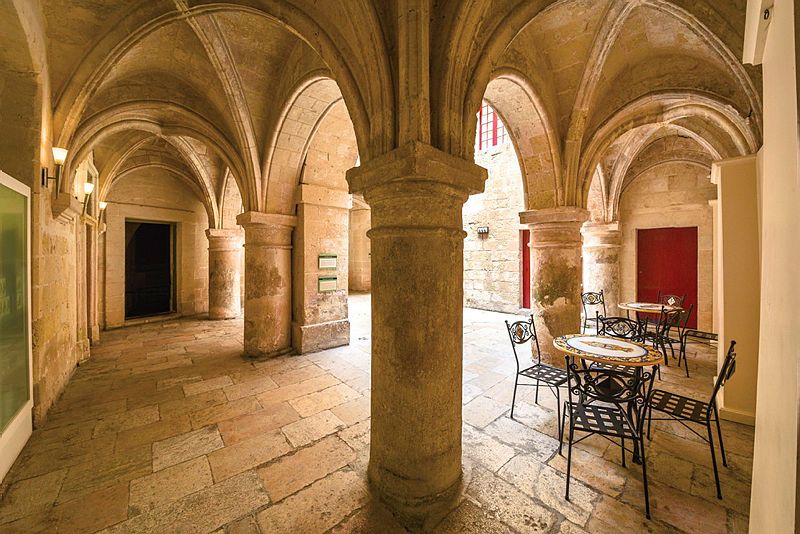
The Inquisitor’s Palace in Birgu (Vittoriosa) is one of the few remaining Inquisitorial palaces in Europe. Built in the 16th century, it served as the residence of the Inquisitor of Malta until the position was abolished in 1798. Unlike its grim reputation, the palace is not solely a symbol of religious persecution but also a centre of legal and administrative power during the period of Spanish and Papal influence. Visitors today can explore its prison cells, grand chambers, and a courtroom that once determined the fates of those accused of heresy and blasphemy.
Verdala Palace, Buskett Gardens
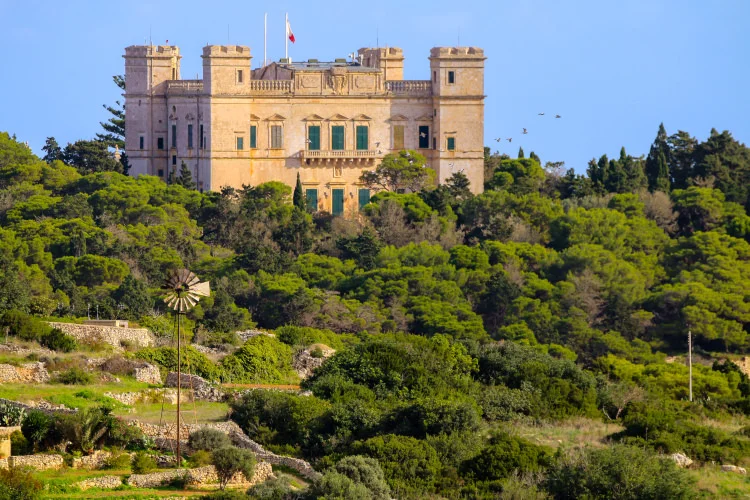
Hidden amidst the Buskett woodlands, Verdala Palace is a 16th-century hunting lodge turned presidential residence. Built by Grand Master Hugues Loubenx de Verdalle in 1586, the palace has remained largely inaccessible to the public due to its function as the official summer residence of the President of Malta. However, its imposing bastioned architecture and intriguing history—including its use as a British prisoner-of-war camp during World War II—make it one of the island’s most enigmatic historical buildings.
Fort Chambray, Gozo
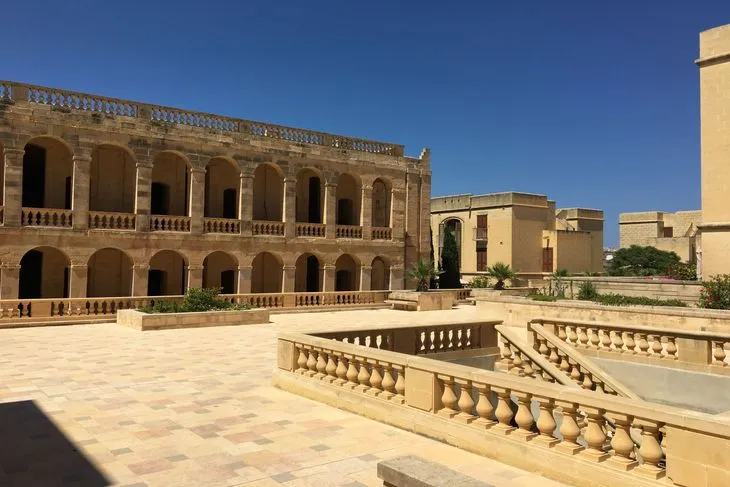
While visitors to Gozo are often drawn to the Ġgantija Temples or the Cittadella, Fort Chambray remains relatively underappreciated. Built in the mid-18th century by Jacques-François de Chambray, it was intended to serve as an alternative capital to Rabat (Victoria) but never fully realised its potential. The fort, which once housed British military forces and later served as a mental hospital, now contains private residences, yet its thick walls and strategic location still echo Gozo’s turbulent past.
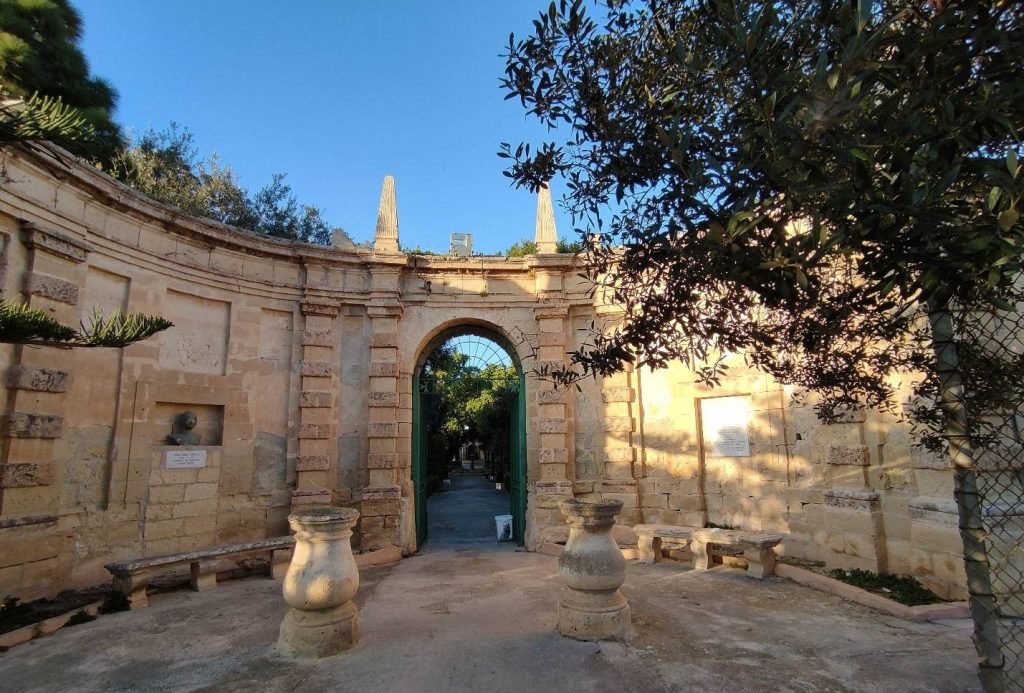
Casa Leoni, Santa Venera
One of the lesser-known baroque gems in Malta is Casa Leoni, also known as the Palace of the Lions, situated in Santa Venera. This 18th-century building was originally constructed as a summer retreat for the Grand Master of the Knights of St John. Its most distinguishing feature is the elegant entrance, flanked by lion statues. Over time, Casa Leoni has served various functions, from a governor’s residence to a horticultural centre. Its lush gardens, which form part of Romeo Romano Gardens, provide a serene contrast to its stately Baroque façade.
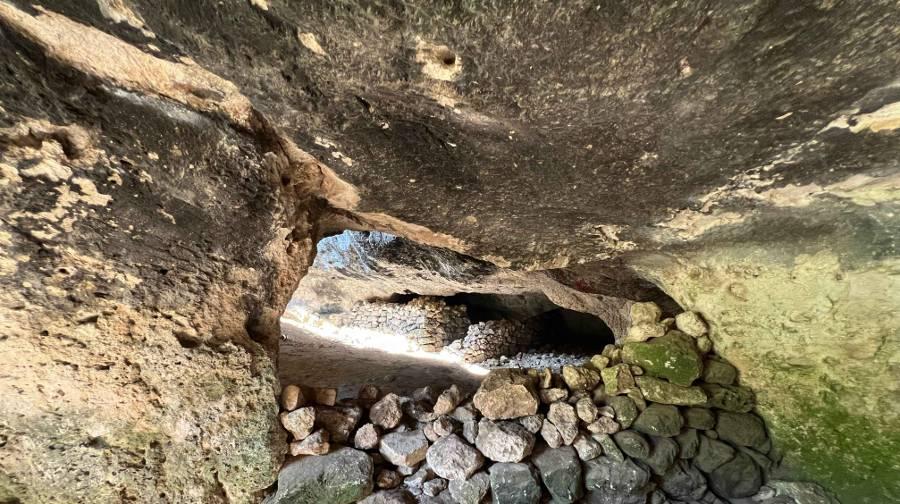
Għar il-Kbir (Also known as Clapham Junction)
Although not a conventional building, the complex of cave dwellings at Għar il-Kbir is of immense historical significance. Once home to a troglodytic community until the 19th century, these caves offer a glimpse into an ancient way of life that predates many of Malta’s grand fortifications. Nearby, the enigmatic cart ruts of Clapham Junction add another layer of mystery, hinting at a prehistoric transport system whose exact function remains debated among scholars.
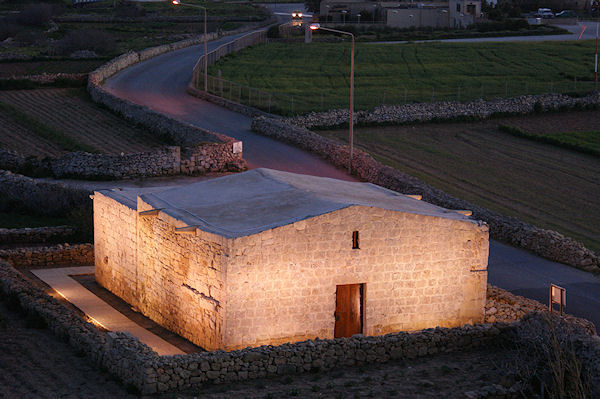
Santa Cecilia Chapel, Gozo
Tucked away in the countryside near Għajnsielem, the Santa Cecilia Chapel is Gozo’s oldest surviving chapel, dating back to the late 15th century. Unlike many grandiose churches across Malta and Gozo, this modest chapel reflects the islanders’ early Christian devotion. Its restoration in recent years has helped preserve its simple yet elegant gothic architecture, making it a rare example of medieval religious structures in Gozo.
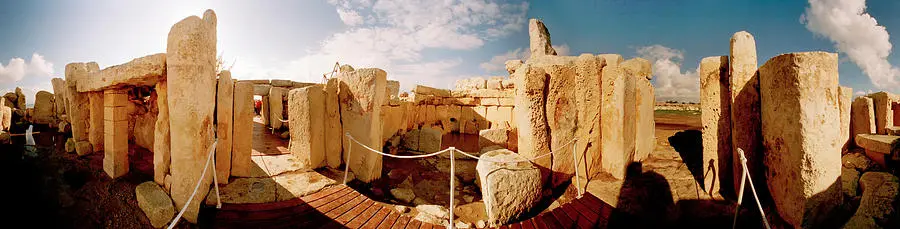
Ġgantija Temples, Gozo
Among the most extraordinary historical sites in the Maltese archipelago, the Ġgantija Temples in Gozo stand as one of the oldest free-standing structures in the world, predating even the Egyptian pyramids. Built between 3600 and 3200 BCE, these megalithic temples were constructed using massive limestone blocks, some weighing several tonnes. The site is believed to have been a significant religious centre, dedicated to a fertility cult, as evidenced by the numerous figurines and altars found within. Recognised as a UNESCO World Heritage site, Ġgantija offers an unparalleled glimpse into the advanced engineering and spiritual life of Malta’s prehistoric inhabitants.
Conclusion
While many buildings and sites often steal the spotlight, Malta and Gozo’s history is also encapsulated in these lesser-known buildings. From fortified watchtowers and rural chapels to abandoned fortifications and enigmatic dwellings, these structures provide a richer and more nuanced understanding of the archipelago’s past. Exploring these hidden gems reveals a side of Malta and Gozo that is just as fascinating as its more celebrated landmarks, offering visitors and locals alike a deeper connection to the islands’ enduring history. Lastly we have to mention that there are countless other Roman ruins, dolmens, cart ruts, tombs, catacombs, chapels and churches scattered across the islands that are worth visiting.