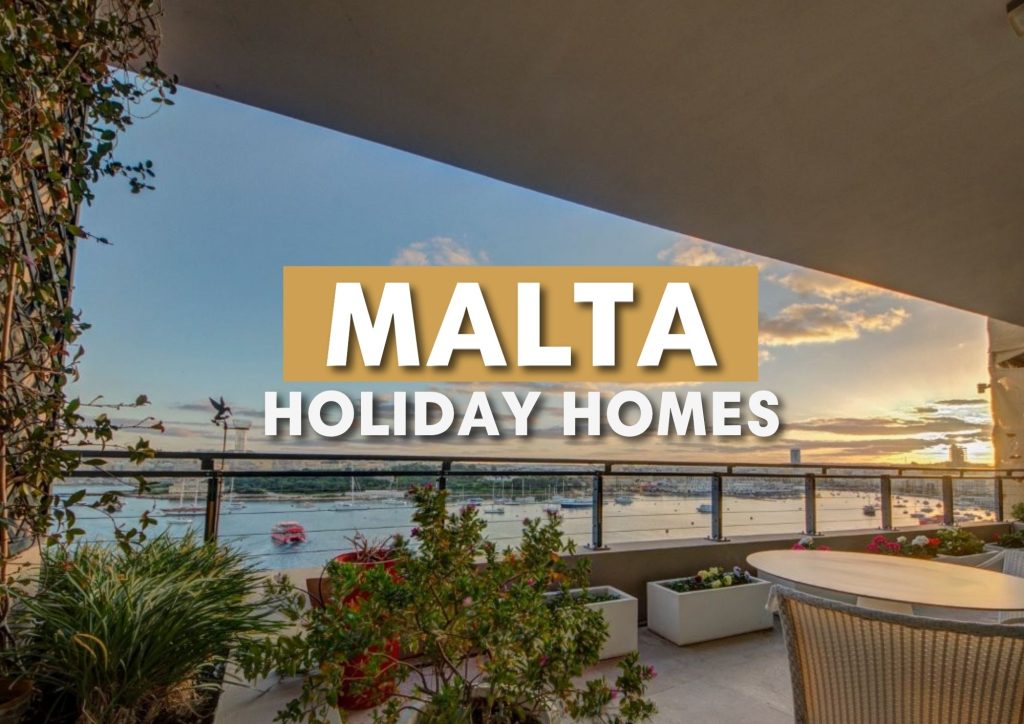


Buying a Holiday Home in Malta
For many buyers, buying a holiday home in Malta is about securing a practical second home that can be used for family trips, extended stays, remote working and in some cases, occasional rental use.
Malta remains attractive because it is a year-round destination, English is one of its official languages and Malta International Airport keeps the islands closely connected to Europe through a busy flight network.
This guide covers the key questions buyers often ask before purchasing a holiday home in Malta, from ownership rules and costs to locations, rental flexibility and long-term support.
Buying a Holiday Home Quick Quiz
Is Malta a good place to buy a holiday home?
Yes. Malta combines year-round appeal, an English-speaking environment and strong accessibility from Europe, which makes it useful as both a lifestyle purchase and a practical second home in Malta. It is also well suited to buyers who want a short-break base that can be used flexibly through the year.
Can foreigners buy a holiday home in Malta?
Yes, but the rules differ for EU and non-EU buyers. EU citizens and non-EU nationals may need different permissions depending on whether the home is a primary residence, a secondary residence or located in an SDA.
What are the costs of buying a holiday home in Malta?
Budget for stamp duty, notary fees, potential AIP fees, valuation costs if finance is involved and any service charges linked to the property. The government says provisional duty is paid at 1% when the promise of sale is registered and the AIP permit fee is €233 where applicable. Total transaction costs often amount to about 7% to 10% of the property value excluding the purchase price.
Do I need an AIP permit to buy in Malta?
Not always. EU citizens with five years of continuous residence in Malta may buy freely, while non-EU buyers generally need AIP unless they are purchasing in an SDA. EU citizens without five years of continuous residence need AIP for a secondary residence.
What are Special Designated Areas in Malta?
They are developments where foreign buyers can purchase without an AIP permit and without a predefined limit on ownership. They are especially useful for overseas buyers who want more freedom and a smoother buying process.
What is the best area to buy a holiday home in Malta?
There is no single best area. Sliema and St Julian’s suit convenience and energy, Mellieha suits beach-led living, Gozo suits pace and value and Valletta, the Three Cities and Rabat suit character and culture. The right choice depends on how often you will use the home and whether rental flexibility matters.
Why Malta Works So Well for Holiday Home Investment
At first glance, Malta’s appeal is obvious. A Mediterranean climate, a thriving tourism sector and the fact that English is an official language make it unusually accessible for international buyers. Add to that the strong connectivity via Malta International Airport and you have a destination that functions seamlessly as a year-round tourism hub, not a seasonal market.
For holiday home investors, this matters.
Unlike purely seasonal destinations, Malta supports consistent occupancy levels across the calendar year-a key factor not only for rental income, but also for sustaining long-term property values.
Capital Appreciation: More Than Just Demand-It’s Scarcity
What truly distinguishes Malta is not just demand, but limited supply.
As a small island nation, land availability is inherently constrained:
- Demand continues to rise (tourism, expats, remote workers)
- Supply remains physically capped
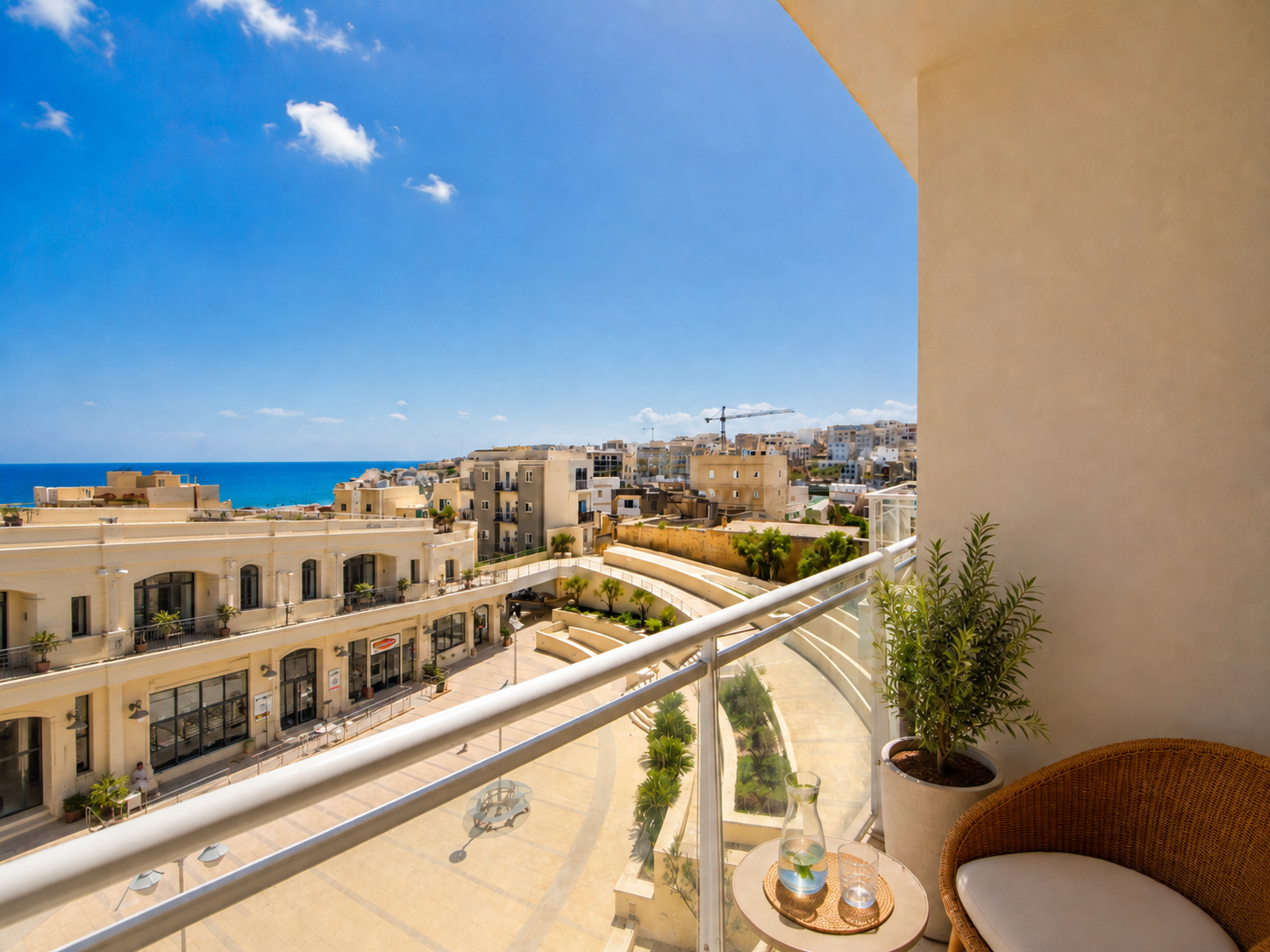
The result is a property market where prices have shown persistent upward momentum over the past decade, with values more than doubling since the early 2010s.
For holiday home investors, this is critical. You’re not just buying a rental asset-you’re acquiring into a supply-constrained market, which historically supports capital appreciation even during broader economic slowdowns.
Holiday Homes: Where Yield Meets Appreciation
Holiday homes in Malta sit at the intersection of two return drivers:
- Short-let rental income
- Underlying capital growth
Tourism flows provide:
- Strong occupancy rates
- Premium nightly pricing in peak locations (e.g. coastal and lifestyle hubs)
Recent data suggests:
- Annual price growth stabilising around 5–7%
- Long-term trend significantly higher
This dual-return profile is what makes holiday homes particularly attractive: rental income can offset holding costs, while capital appreciation builds equity over time.
Why Capital Appreciation Holds Up in Malta
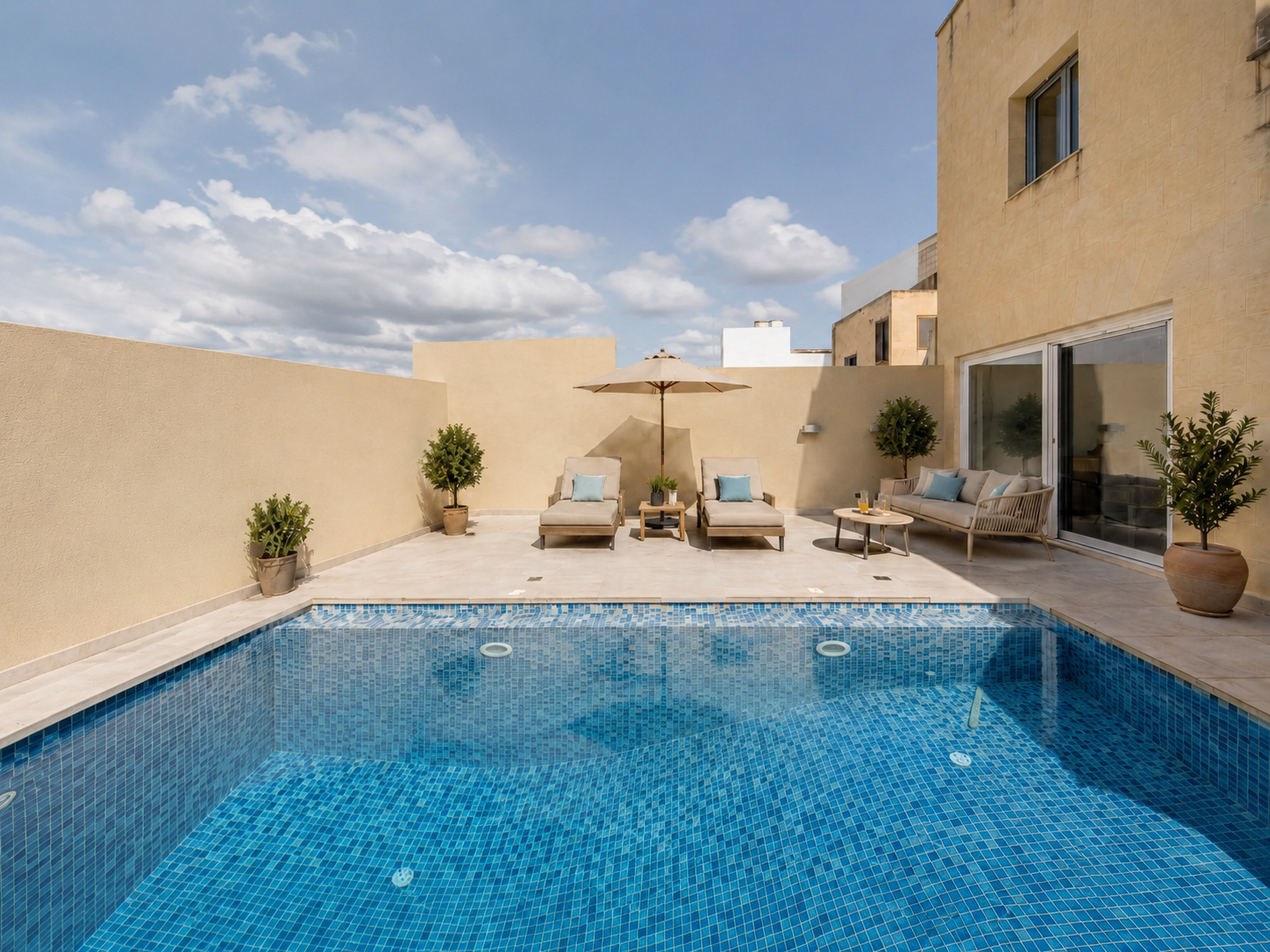
Several reinforcing dynamics make Malta unusually resilient:
A diversified demand base
Holiday homes are not reliant on one buyer type:
- International investors
- Lifestyle buyers (second homes)
- Short-let operators
- Relocating professionals
This diversity reduces volatility in pricing.
A tourism market that doesn’t switch off
Malta’s positioning as a year-round destination ensures:
- Continuous visitor inflows
- Reduced vacancy risk
- Ongoing investor interest in short-let properties
This sustained demand feeds directly into property values.
Accessibility lowers friction for buyers
Because Malta is:
- English-speaking
- Legally aligned with EU frameworks
- Well connected by air
…it removes many of the barriers that typically suppress foreign investment in other markets. That translates into consistent inbound capital, which supports price growth.
Why buyers are looking at Malta now
The modern holiday home buyer tends to be very well informed with definite set requirements. They are asking whether the property will work as a lifestyle purchase, whether it can support a flexible work pattern and whether the ownership structure makes sense for future use.
That is why searches such as ‘holiday home Malta’, ‘second home in Malta’ and ‘buying property in Malta as a foreigner’ matter so much now: buyers want clarity, not romance.
Malta’s appeal sits in that balance between practical living and island leisure, with a climate and visitor offer that supports shorter breaks as well as longer stays throughout the year.
It also helps that Malta suits several buyer profiles at once. Overseas buyers often see it as a lifestyle purchase. Families like the ease of regular visits. Digital nomads value the English-speaking environment and the possibility of combining work with a Mediterranean base.
Our wider service platform is particularly relevant here because it covers sales, letting, property management, relocation, home interiors and client services under one roof.
Where to buy a holiday home in Malta
The best answer to where to buy a holiday home in Malta depends on how you intend to use it.
Sliema and St Julian’s
Sliema remains a strong option for buyers who want convenience, seafront living and a property that can function as a lock-up-and-leave base. St Julian’s appeals to those who want a more dynamic location with marina developments, premium apartments and strong rental appeal in the right settings.
Our area guides also highlight SDA developments in localities such as Tigné Point, Fort Cambridge, Pender Gardens, Portomaso and Mercury, which are particularly relevant if flexibility of ownership matters.
Read about Special Designated Areas in MaltaMellieha
Mellieha suits buyers who want a more relaxed pace, beach access and a strong holiday-home feel. Mellieha continues to attract holiday-home and rental-investment interest, while its property mix ranges from apartments to villas. For buyers who want a seasonal retreat without sacrificing everyday usability, it is often one of the most balanced choices.
Gozo
Gozo is a different proposition again. It tends to appeal to buyers who want more space, a slower rhythm and a setting that feels less urban. Gozo offers a wide spread of homes, from village properties and farmhouses to apartments and villas and often at better value than Malta itself. For some buyers, that makes Gozo the cleaner answer to the question of a second home in Malta, especially if the property will be used regularly but not year-round.
Valletta, the Three Cities and Rabat
If your preference is for heritage, character and walkability, Valletta, the Three Cities and Rabat are worth investigating. Valletta offers culture and urban life, the Three Cities combine waterfront charm with value and Rabat suits buyers who want a quieter, more traditional setting. In the south-east, Kalkara and the wider Smart City area may also appeal if you want a modern waterfront environment with easy access to Valletta.
The buying process and what it costs
The process of buying a holiday home in Malta is structured, but it is not especially complicated when handled properly. Typically, the buyer identifies the property, signs a preliminary agreement, completes due diligence through a notary and then moves to the final deed of sale. The full process usually takes between three and six months, depending on checks, permits and financing.
Identify the property that fits your intended use and budget.
Sign a preliminary agreement and begin the formal buying process.
Complete due diligence through a notary, including checks, permits and financing where applicable.
Move to the final deed of sale once the process is complete.
On costs, the biggest point to understand is that stamp duty is generally paid by the buyer, while the seller pays capital transfer tax. Once the promise of sale is signed, it must be presented to the Property Tax Directorate within 21 days and a provisional duty of 1% is paid at that stage.
The official AIP FAQ states that the permit fee is €233 and that, where an AIP permit is needed, the current minimum value is €174,274 for a flat or maisonette and €300,619 for other immovable property.
Total transaction costs often come in at around 7% to 10% of the property value excluding the purchase price, so it is sensible to budget beyond the headline asking price.
For buyers who are financing part of the purchase, there may also be notary fees, valuation costs, bank charges and any ongoing service charges if the property is in a managed development or apartment block. That is why a holiday home budget should always include both the purchase costs and the ownership costs.
How Frank Salt Real Estate can help
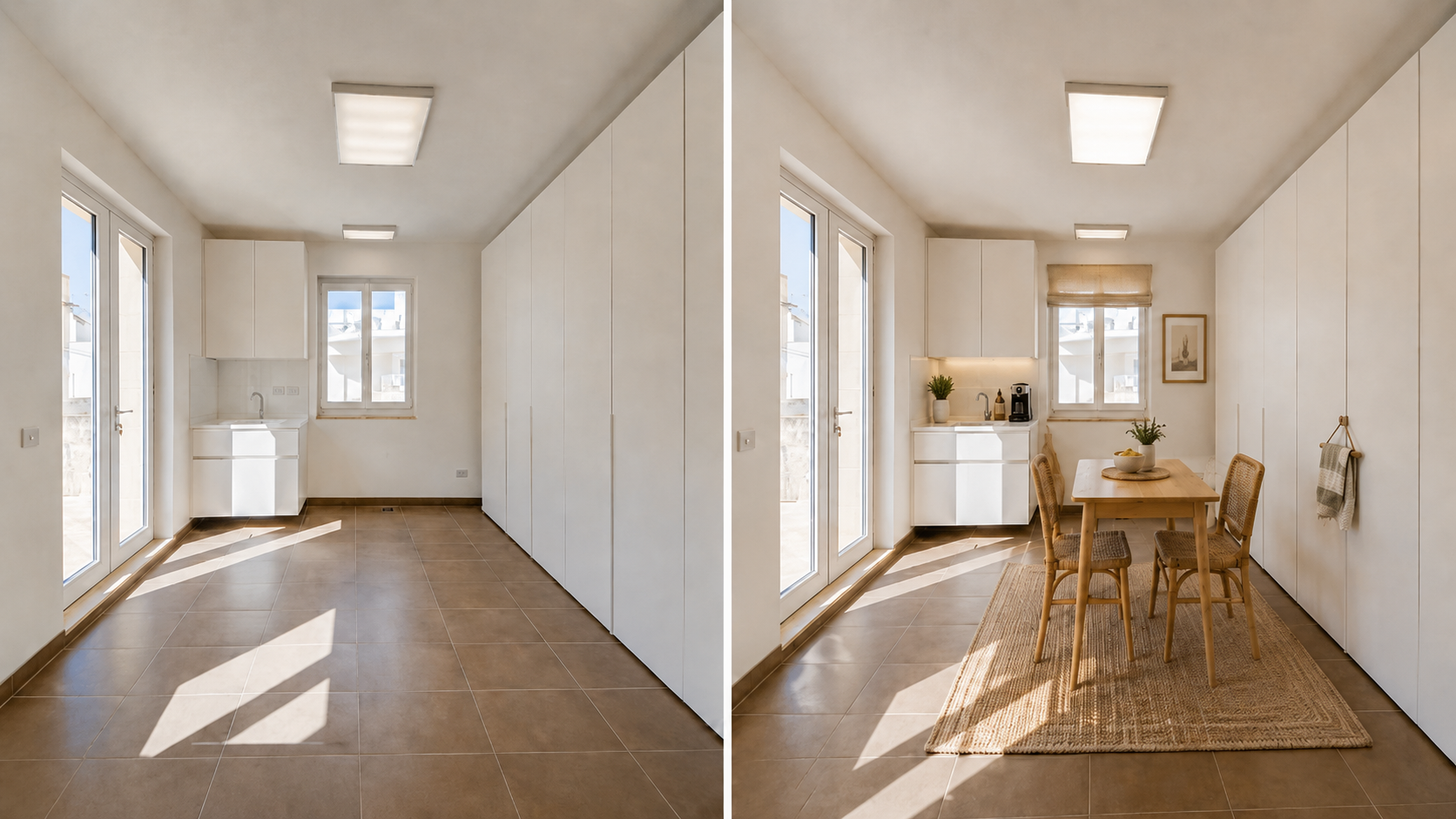
Frank Salt Real Estate can add real value far beyond a simple property search. Our full circle of holistic services includes sales, letting, commercial sales and letting, property management, relocation, home interiors, short lets (through Malta Holiday Lets, a Frank Salt Real Estate Company) and client services, which means a buyer can be supported from first enquiry to aftercare.
For holiday-home buyers this matters because the purchase is rarely the end of the journey. Furnishing, maintenance, tenancy management and relocation support often become part of the same story.
Sales and letting
Support with finding, purchasing, letting and managing the right property route.
Property management and aftercare
Useful for buyers who will not occupy the home full time and need trusted ongoing support.
Relocation and home interiors
Helpful for buyers who want to settle into the right district, furnish the home and make it usable quickly.
For digital nomads, the holistic circle of services is especially useful. A buyer can arrive through a rental first, settle into the right district, test the commute, internet needs and lifestyle fit, then move into purchase with relocation support, legal coordination, interior help and ongoing property management if the home is not occupied full time.
In practical terms, that turns us from a broker into your ideal long-term operating partner.
If you want to rent short-term accommodation in Malta, or rent out your own accommodation, Malta Holiday Lets can support the short-let side of the journey.
Visit Malta Holiday LetsFinal thoughts
Buying a holiday home in Malta works best when one’s lifestyle plan and the entire legal structure line up. The right area, the right ownership route and the right support team make all the difference.
With more than 56 years of history and more than 20 office across the nation, Frank Salt Real Estate is best placed to help you from your initial search right through to settling in and beyond.
Looking for a holiday home in Malta?
Speak to Frank Salt Real Estate about finding the right property, understanding the buying process and planning the support you may need after purchase.
Contact Frank Salt Real Estate

Back to Blogs