




 Back to Blogs
History of Valletta
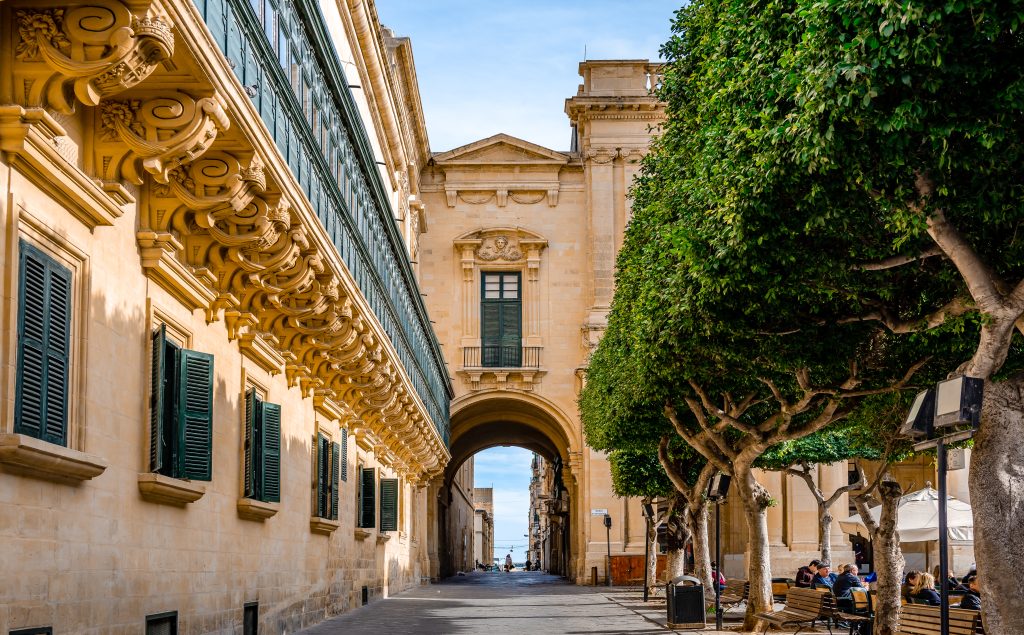
As a first-time visitor to Malta, one of the most important locations to visit is Valletta, the capital of Malta. From the first moment you approach from the imposing Triton Fountain over the city bridge to the city gate, you will feel like you’ve stepped right into a bustling and yet living museum. Every corner reveals another piece of history, intricately woven into this small yet impressive capital. Built by the Knights of St John in the 16th century, Valletta is a UNESCO World Heritage Site.
Valletta is a compact yet historically rich city and while opinions may vary, there are literally hundreds of buildings in Valletta regarded as important and significant due to their historical, architectural, or cultural value.
Some highlights include:
- Valletta’s UNESCO World Heritage Listing: Valletta as a whole is considered significant, which means every building contributes to its collective historic and cultural value.
- Just some of the major landmarks include: St John’s Co-Cathedral, the Grandmaster’s Palace, Fort St Elmo and the Auberges (residences of the Knights of St John).
- Churches: Valletta is home to around 25 churches, each with unique history and artistic value.
- Fortifications: The city’s bastions, walls and gates are key to its significance, as they were designed to protect Malta against powerful enemies in the past.
- Residential and commercial buildings: Many palazzos, townhouses and even shopfronts date back centuries and are considered historically valuable.
1. St John’s Co-Cathedral
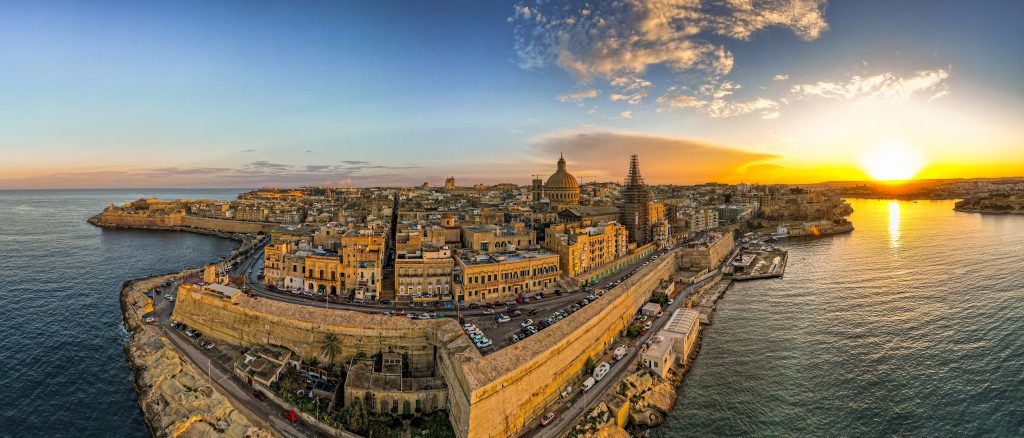
St John’s Co-Cathedral is arguably Valletta’s most iconic landmark. It looks unassuming from the outside, but step inside and you’ll be greeted by an explosion of Baroque art and design. The cathedral is home to Caravaggio’s The Beheading of Saint John the Baptist, one of the artist’s greatest masterpieces. Globally, it stands as a testament to the Knights’ religious devotion and artistic patronage.
2. The Grandmaster’s Palace
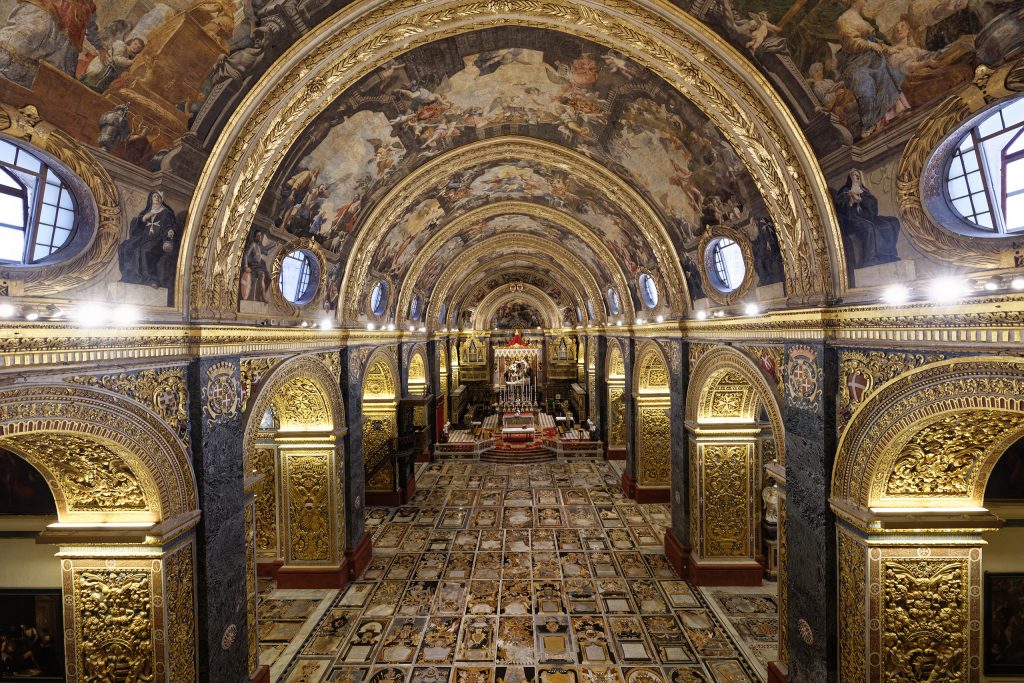
Once the seat of the Grand Master of the Knights of St John, this sprawling palace now houses the Office of the President of Malta. Its richly decorated State Rooms and the Palace Armoury provides an insight into the power and grandeur of the Knights. The building’s significance lies in its role as a political and military hub during Malta’s turbulent history.
3. Fort St Elmo
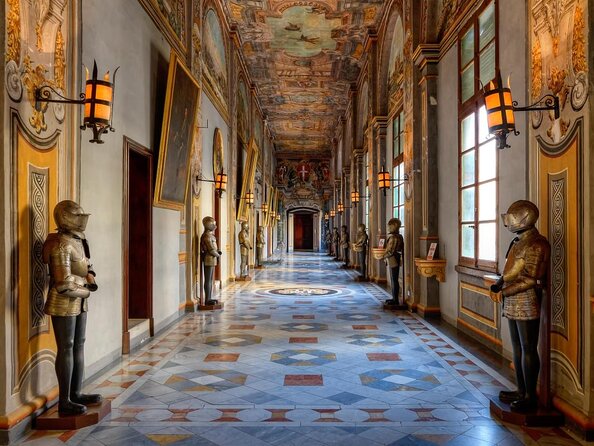
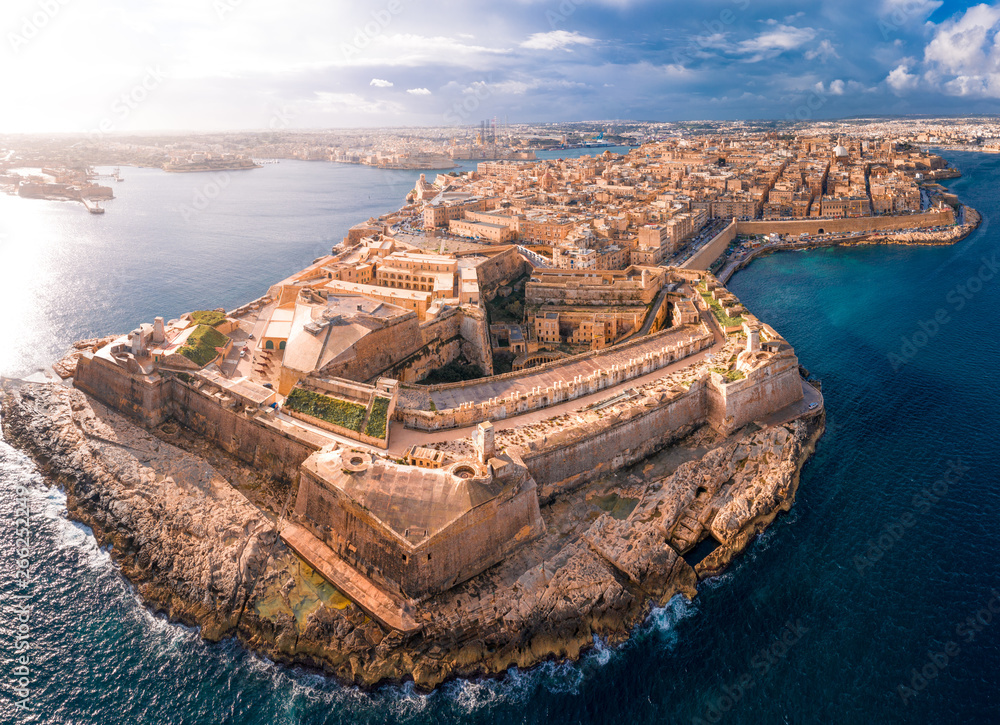
Guarding the entrance to Valletta’s Grand Harbour, Fort St Elmo was the site of the pivotal Great Siege of 1565. The National War Museum, housed within its walls, offers a detailed chronicle of Malta’s wartime history. Its strategic location and resilient design have made it a symbol of Valletta’s defiance and survival.
4. The Auberge de Castille
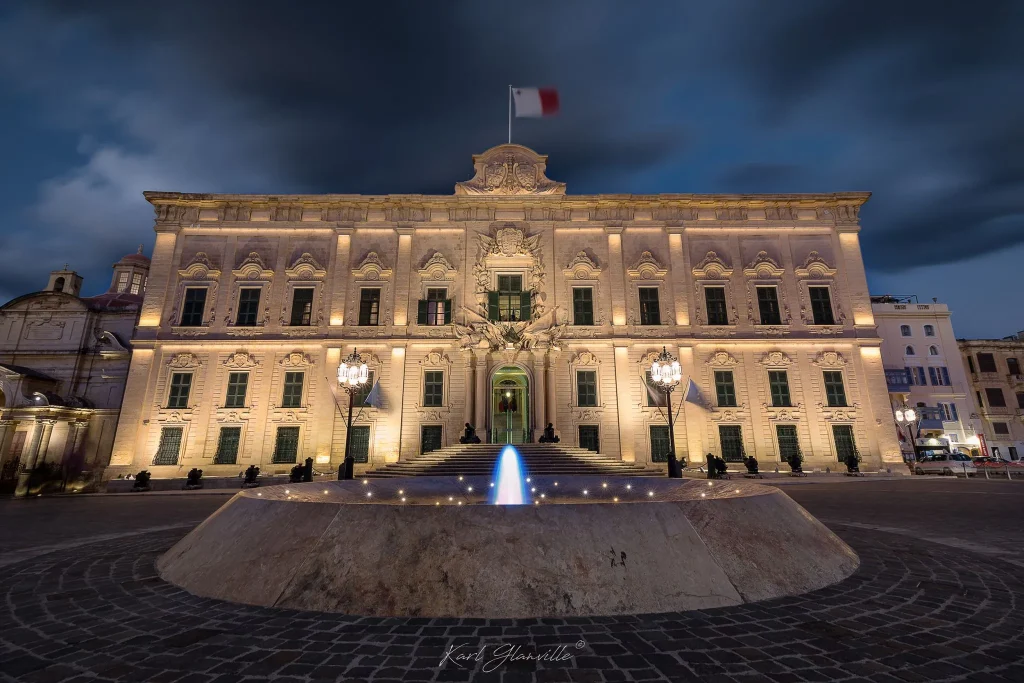
This stunning Baroque masterpiece was originally built to house the Knights of the Langue of Castile, Leon and Portugal. Today, it serves as the Prime Minister’s office. Its ornate façade and elevated position makes it one of the most visually striking buildings in Valletta.
5. Casa Rocca Piccola
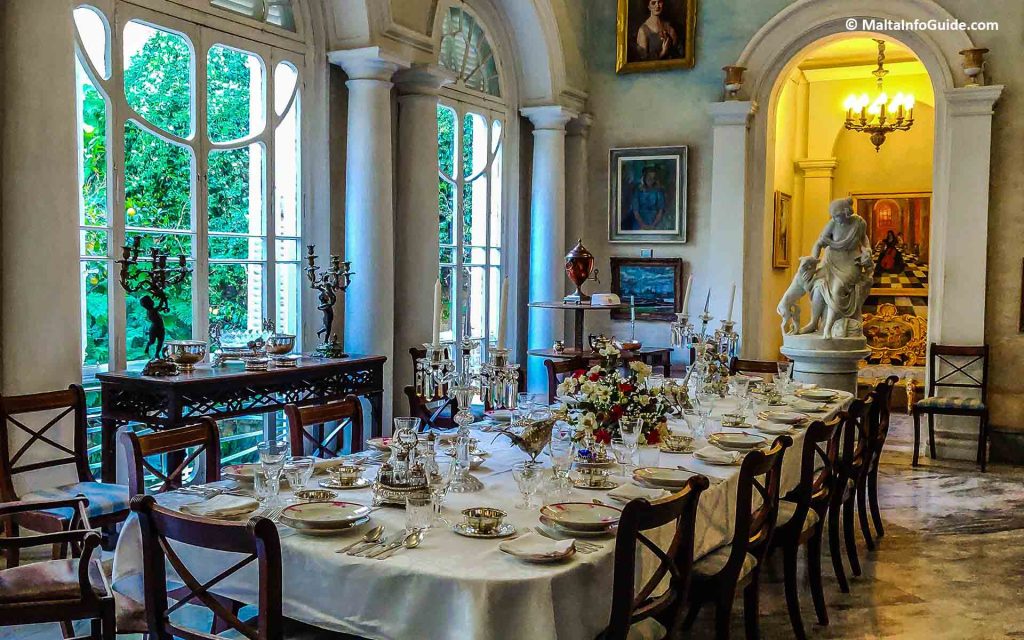
Still a private residence, Casa Rocca Piccola offers a rare glimpse into the lives of Malta’s noble families. With its period furniture, underground wartime shelters and a charming courtyard, this 16th-century palazzo is a beautifully preserved slice of Valletta’s aristocratic past.
6. The National Library of Malta (Bibliotheca)
The Bibliotheca is a sanctuary for history enthusiasts. Built in the late 18th century, it houses priceless manuscripts, including the archives of the Knights of St John. Its global importance lies in preserving centuries of Maltese and Mediterranean history.

7. Teatru Manoel
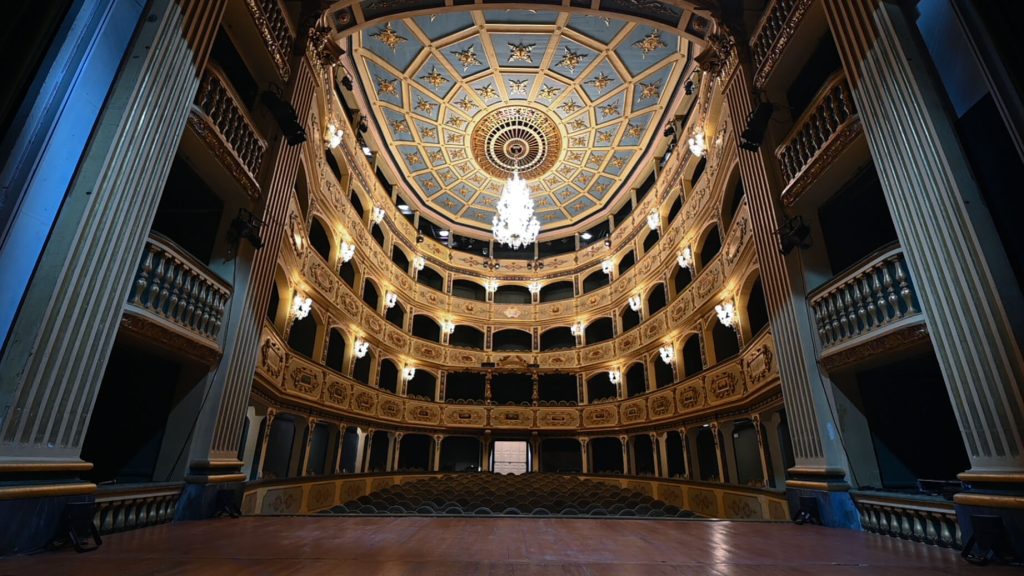
Europe’s third-oldest working theatre, Teatru Manoel, is a jewel of Baroque architecture. Opened in 1732, it remains a cultural hub, hosting operas, plays and concerts. Its intimate setting and gilded interiors make it a must-visit for anyone seeking Valletta’s artistic soul.
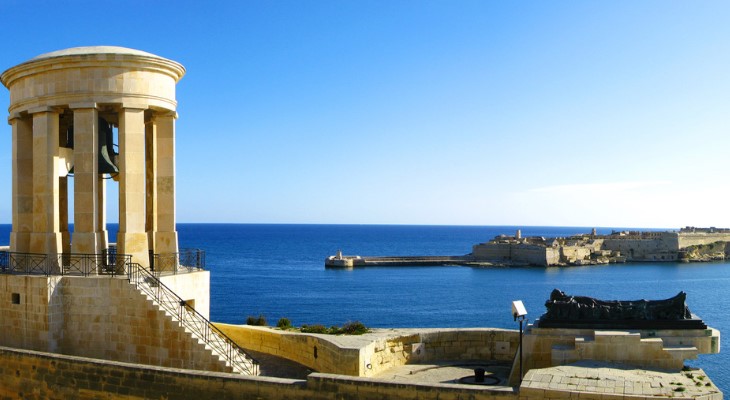
8. The Siege Bell War Memorial
The Siege Bell Memorial was built in 1992 to commemorate the 50th anniversary from when Malta was awarded the George Cross for valour and bravery displayed during World War II. This imposing memorial overlooks the Grand Harbour. The toll of the bell serves as a poignant reminder of the sacrifices made during one of Malta’s darkest periods.
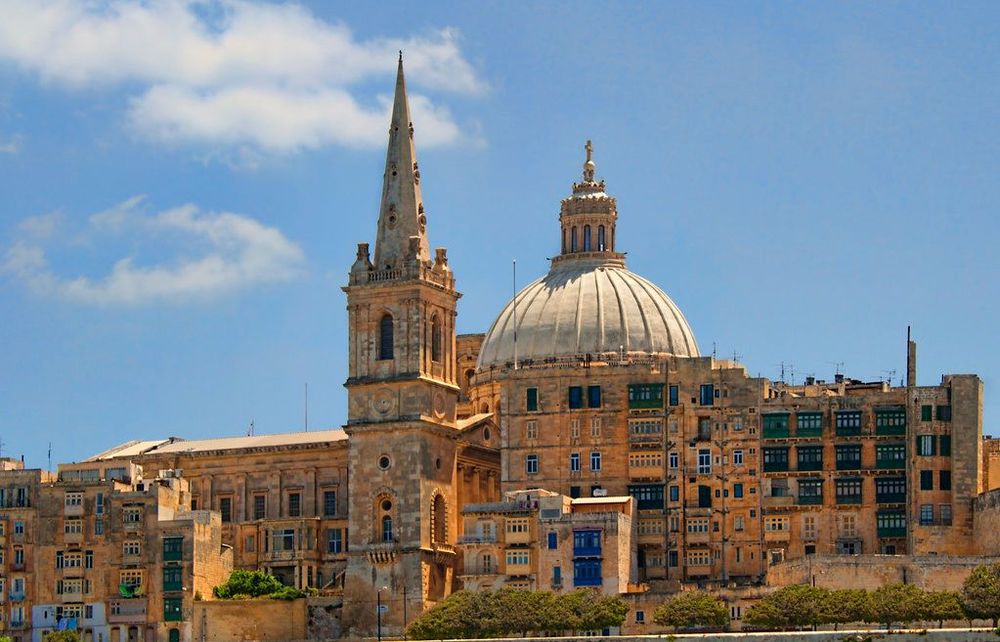
9. St Paul’s Pro-Cathedral
Dominating Valletta’s skyline with its striking spire, St Paul’s Pro-Cathedral was built by the British in the 19th century. It reflects Malta’s colonial history and serves as a spiritual home for the city’s Anglican community.
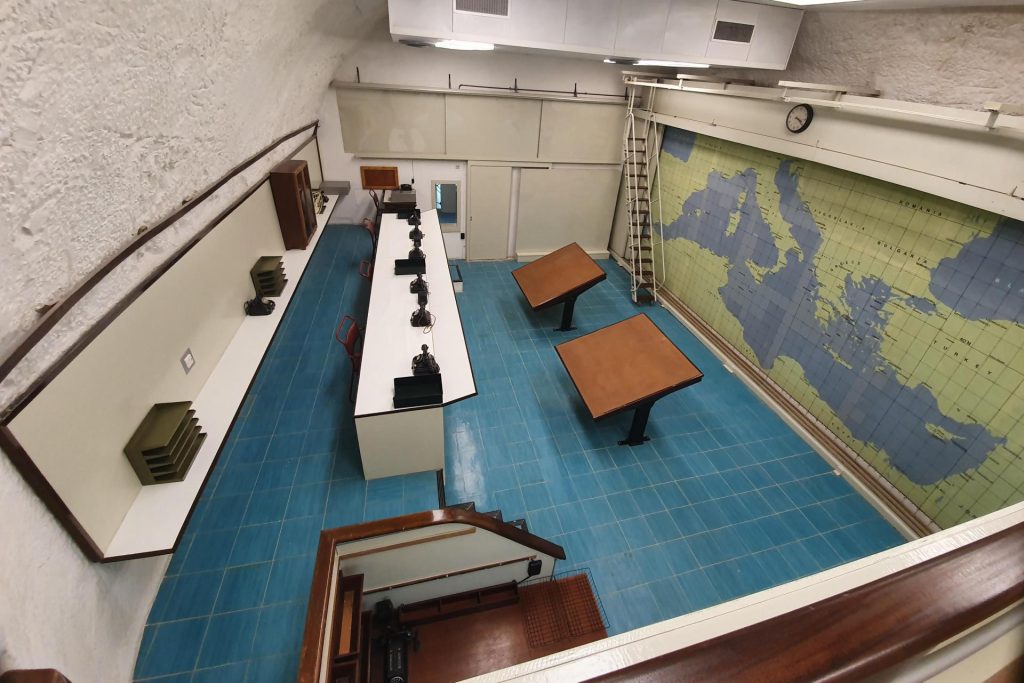
10. The Lascaris War Rooms
Hidden beneath Valletta’s bastions, the Lascaris War Rooms were the nerve centre for the Allied forces’ Mediterranean operations during World War II. Their global importance lies in their role in coordinating the Allied invasion of Sicily, a turning point in the war.
The list above covers but a small fraction of Valletta’s historic buildings. One can easily spend a few days walking around the city, just to find one architectural and historical treasure stacked on the next. All of them are far more than just architectural marvels: they are living stories of resilience, artistry and human ingenuity. Walking through their corridors and courtyards, you’ll feel the echoes of the past and gain a deeper appreciation for Malta’s place in global history. Valletta isn’t just a city to visit; it’s an experience, one to cherish and return to time and again!
If you happen to fall head over heels in love with the capital city and consider investing in a property here, our experts can help you explore its unique real estate offerings. We have more than 55 years of experience in the Valletta market and our consultants have access to houses of character, palazzos, apartments, penthouses, townhouses and much more. Prices of property in Valletta start from under €400,000, so give us a call to invest in and secure your own part of Malta’s living history!