




 Back to Blogs

Begin with Malta’s fortified cities and timeless streets
From Valletta’s grand harbour setting to Mdina’s quiet limestone lanes, these first stops introduce Malta’s scale, history and character.
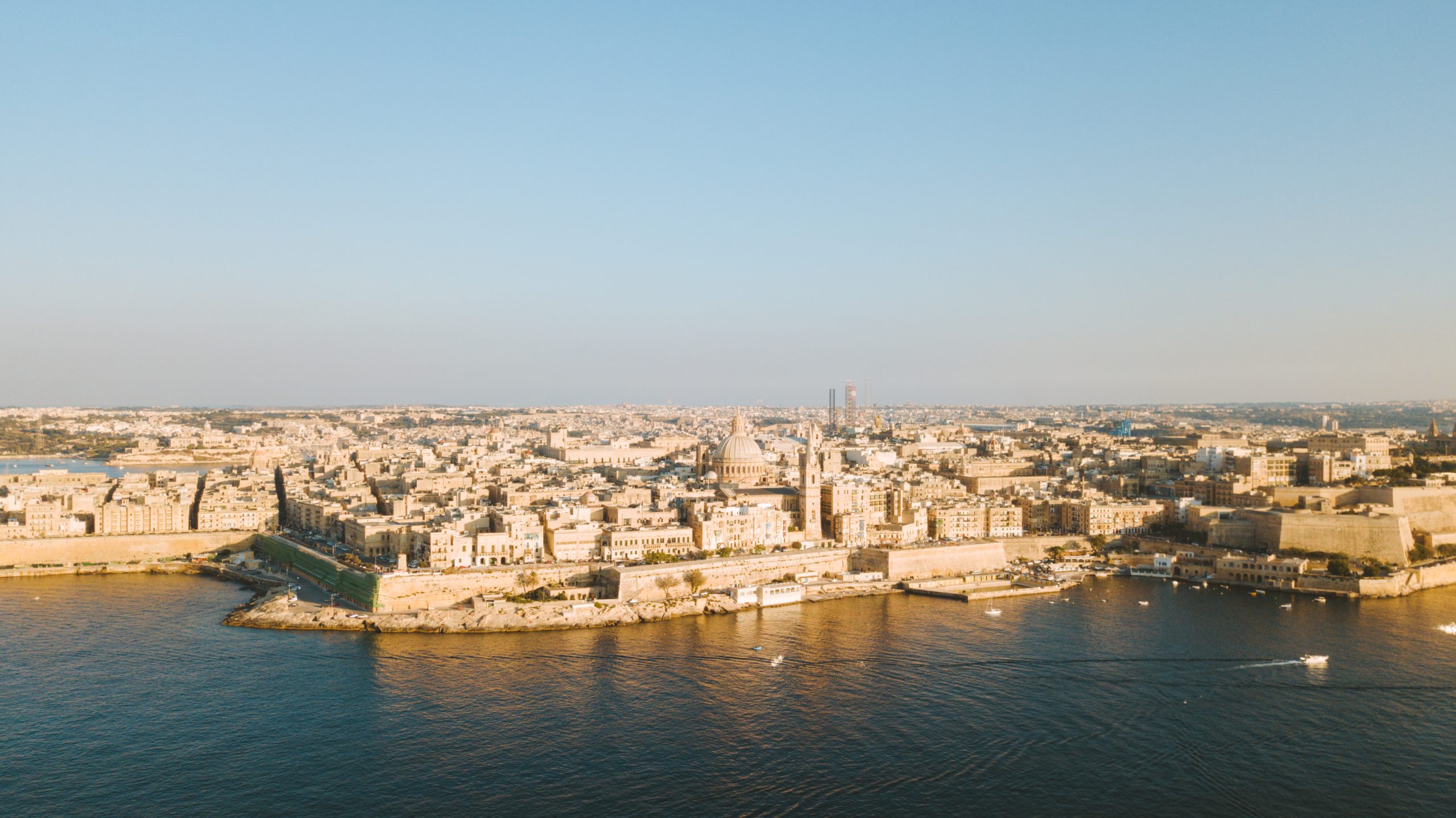
Valletta
Valletta remains the most natural place to begin, not because it is the capital but because it offers the best introduction to experience Malta’s scale and character. The city is packed with more than 300 monuments within walking distance and its streets carry the authority of a UNESCO-listed capital built for order, defence and ceremony. In summer, the best way to experience it is on foot, letting the geometry of the bastions and the shimmer of the harbour do their work. We suggest spending at least two days exploring the capital city.
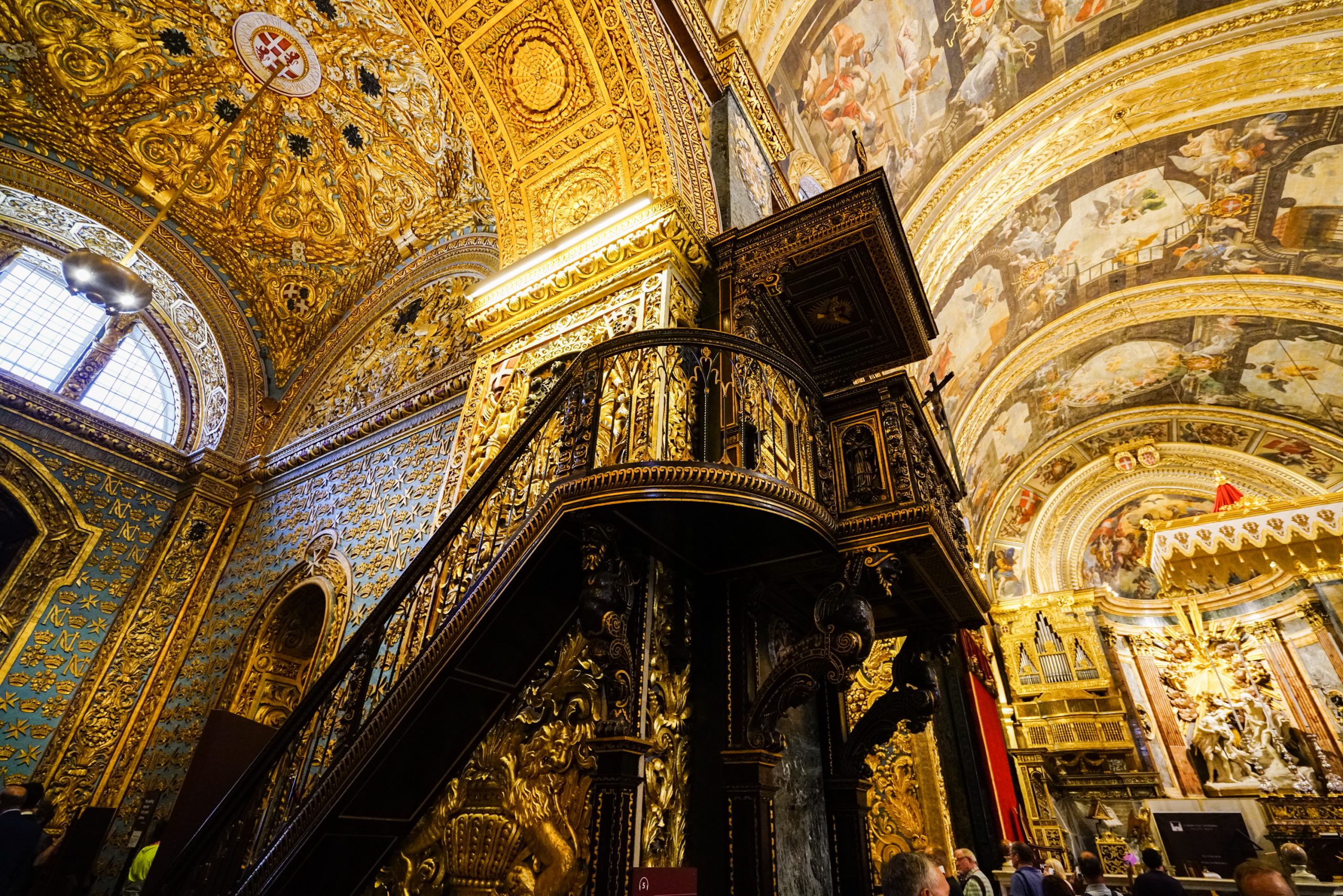
St John’s Co-Cathedral
A few streets into Valletta, St John’s Co-Cathedral changes the tempo completely. Built in the 1570s for the Knights of St John, it is Malta’s most visited church and one of its most lavish interiors, a place where Baroque intensity meets disciplined craftsmanship. It is here that you will also see the only painting ever signed by Caravaggio called 'The Beheading of St John the Baptist'.
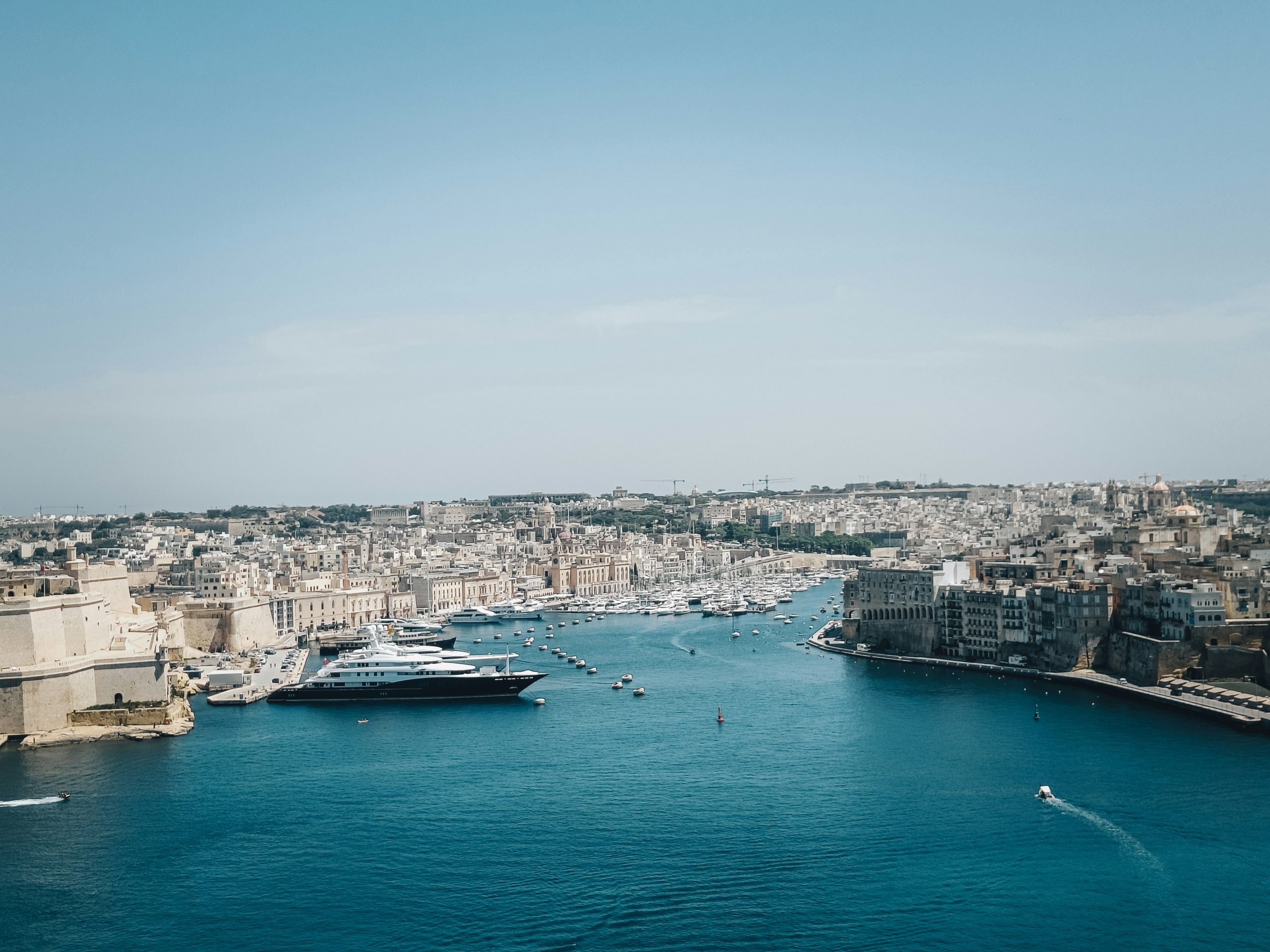
The Three Cities
Across the Grand Harbour, Birgu, Senglea and Cospicua create a quieter but equally compelling counterpart to Valletta. Also known as the Three Cities, they sit right across from the capital, with ferries and traditional luzzu boats linking the two sides of the harbour. Their appeal lies in the narrow lanes, old walls, working waterfronts and views that open suddenly onto the sea.
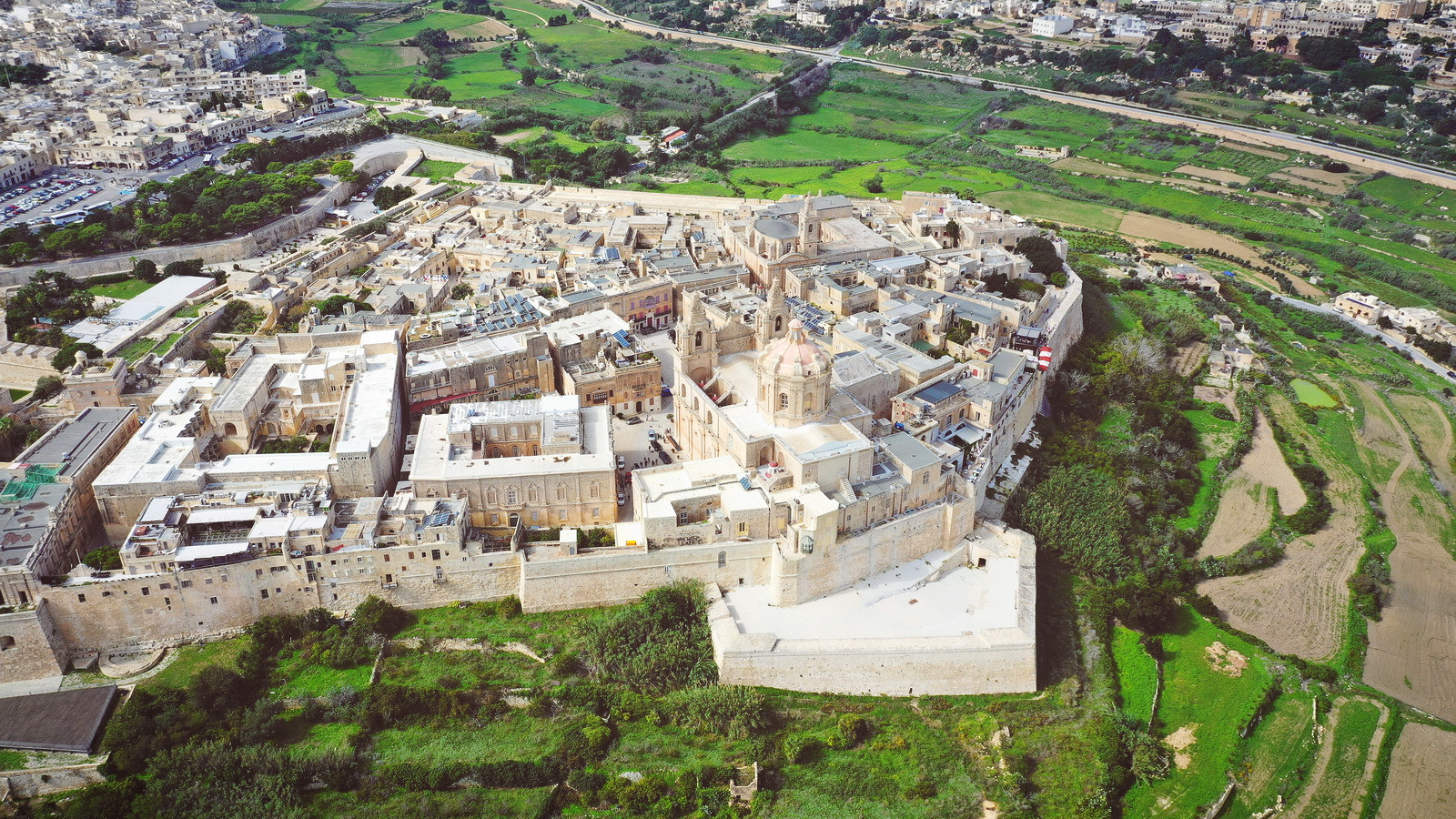
Mdina
Officially Malta’s old capital, it is often described as the Silent City and that name still feels apt, especially in the early morning or after sunset when the limestone streets seem to hold their breath. The old city is carefully preserved and offers visitors a discreet glimpse into Malta’s long memory, from noble façades to quiet courtyards that sit just behind the main routes. From here you will also be able to experience some of the best views over nearly the entire island.

Planning a summer stay?
Explore Malta Holiday Lets for short-term holiday rentals across the islands.
Follow Malta’s coastline west and south
These stops bring together panoramic views, clear water and the everyday rhythm of Malta’s fishing villages.
Dingli Cliffs
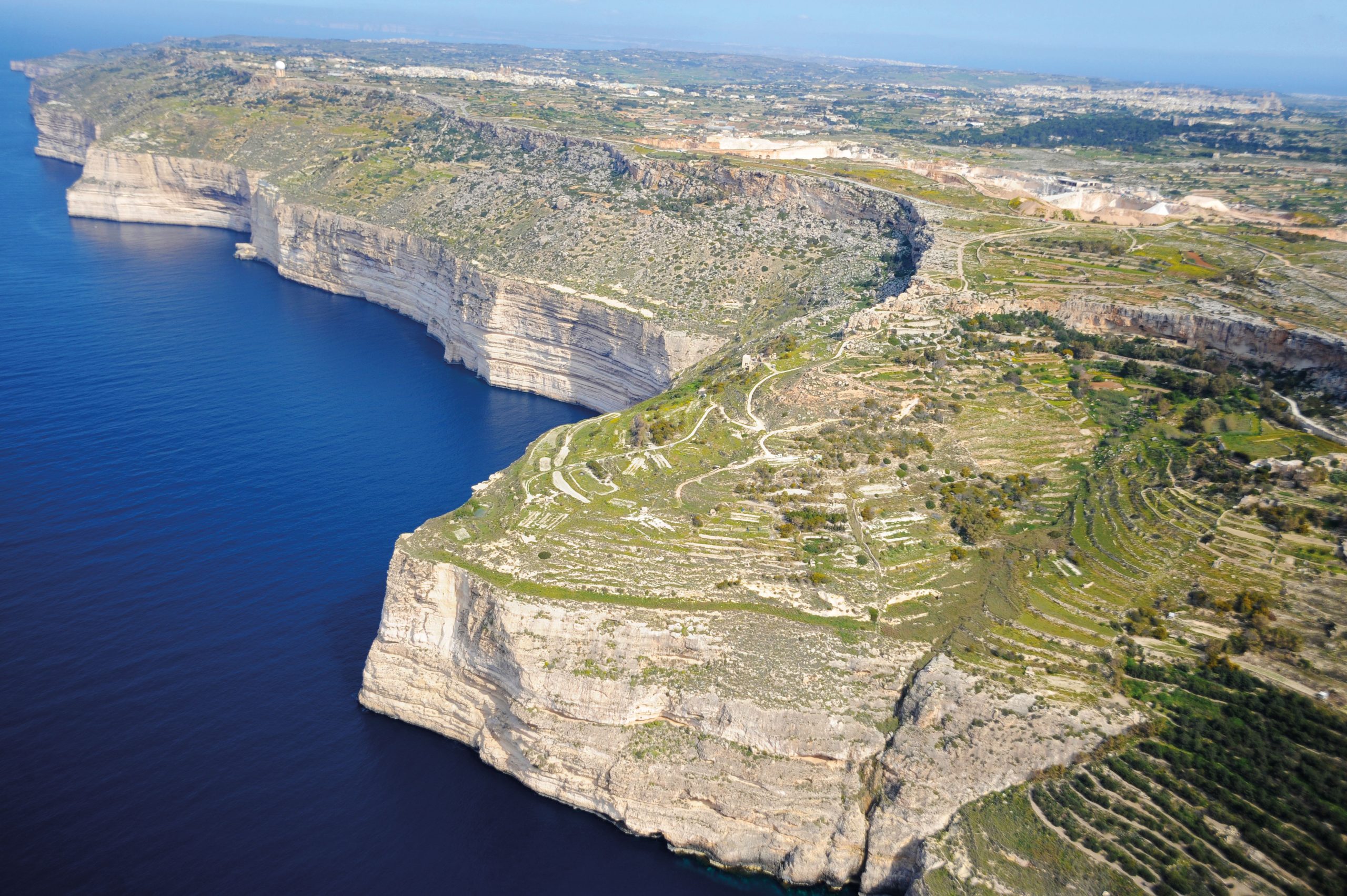
For a different kind of Malta, head west to Dingli Cliffs. These cliffs rise to around 253 metres above sea level and offer panoramic coastal views that reward the slightly longer walk rather than the quick photo stop. Dingli Cliffs is at the start of one of the island’s scenic hikes, with the Blue Grotto reachable further along the route. In summer, late afternoon is especially satisfying here, when the light glimmers on the limestone cliffs and the sea below mesmerise visitors with a thousand shades of blue.
Blue Grotto
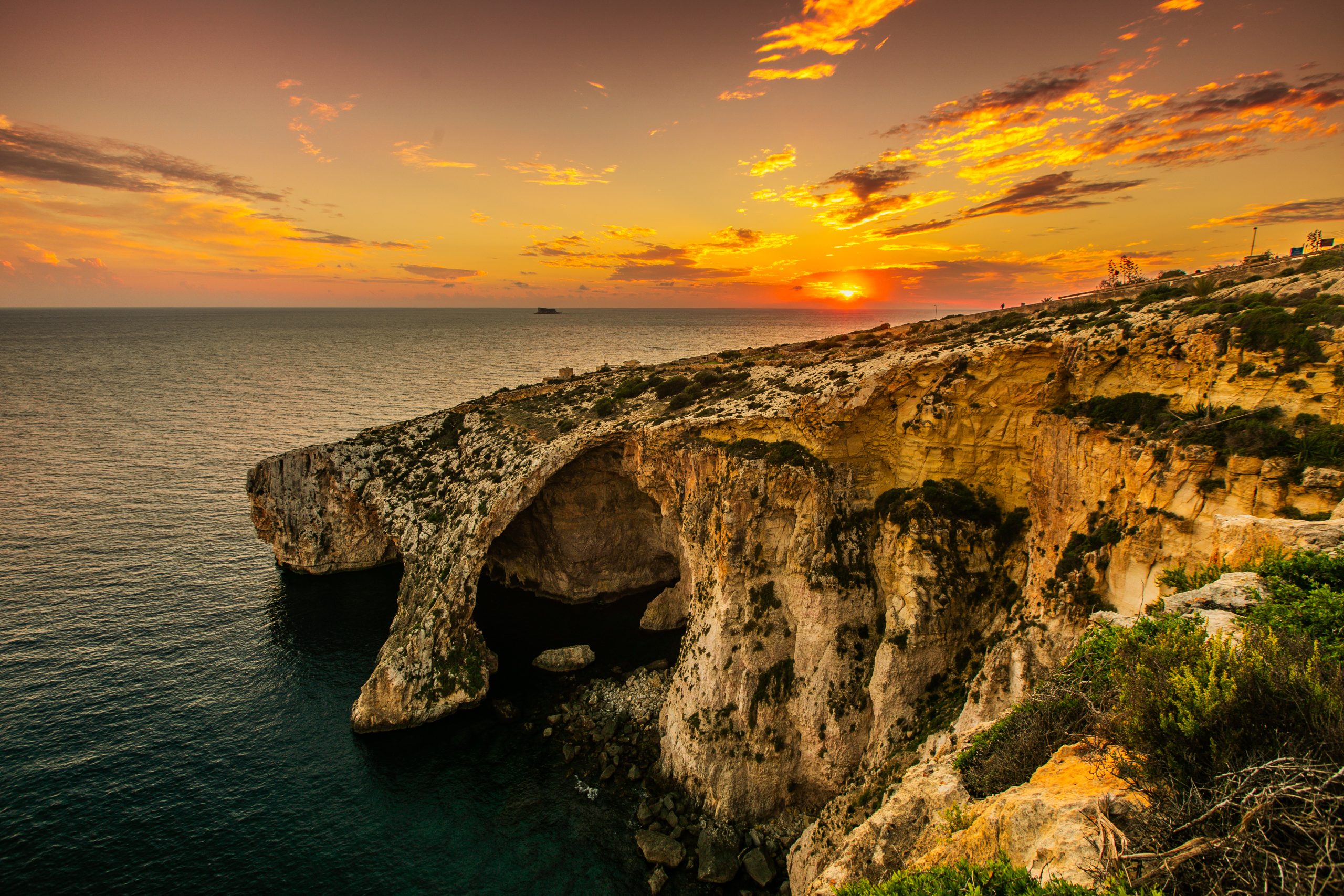
The Blue Grotto is a network of six caves with some of the clearest waters on the Maltese Islands. The viewing spot above Wied iz-Zurrieq is well known for its sweeping sightline over the caves. Summer brings out the Blue Grotto at its most striking, when the sunlight catches the caves and turns the water into shifting hues of blue while fishing boats add movement to an otherwise dramatic and rugged stretch of coastline.
Marsaxlokk
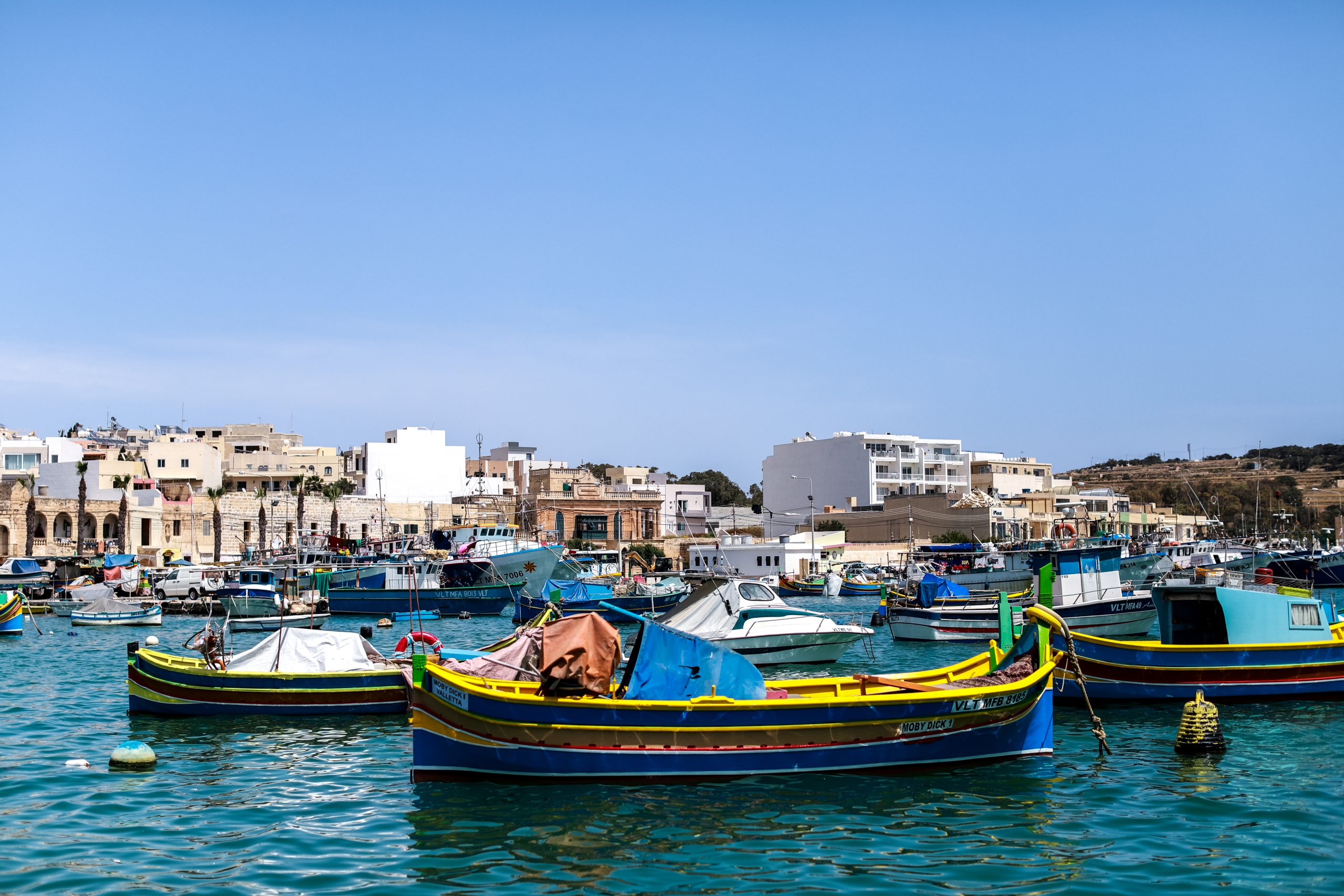
Marsaxlokk offers a relaxed, more lived-in view of Malta’s coastal culture. With its picturesque natural harbour and its fishing boats, it has gained a well-deserved reputation as one of the islands’ foremost fishing villages. The Sunday market draws the crowds and walking beside the waterfront affords one an easy shift from experiencing bustling village life to enjoying an outstanding seaside lunch. It is one of the best places to understand that Malta is not only a destination but also a working island.
The Blue Lagoon, Comino
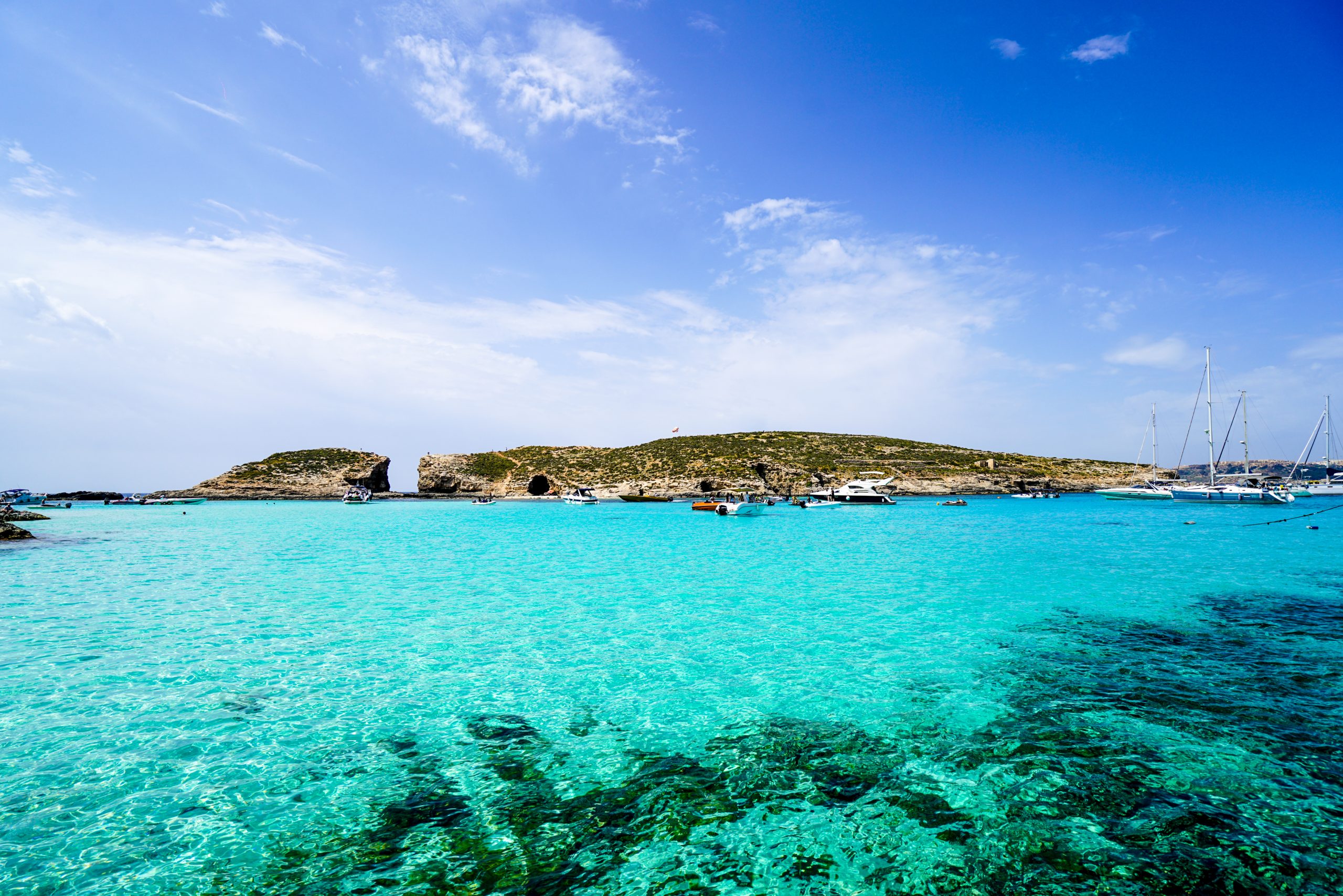
No summer list would be complete without the Blue Lagoon and the site is accessible from both Malta and Gozo. With its exceptionally clear water, sheltered coves and striking turquoise colour, the Blue Lagoon remains one of Malta’s defining summer destinations for swimming, snorkelling and day trips.
Do you need to book the Blue Lagoon in Malta?
Yes. In 2025, authorities introduced a visitor booking system for the Blue Lagoon in Comino to regulate numbers at peak times. Visitors who want to set foot at the Blue Lagoon need to pre-book a free time slot, making planning part of the experience before visiting one of Malta’s most popular summer swimming spots.
End with citadels, temples and prehistoric wonder
These final stops reveal Malta and Gozo’s deeper history, from fortified viewpoints to some of the Mediterranean’s most significant archaeological sites.
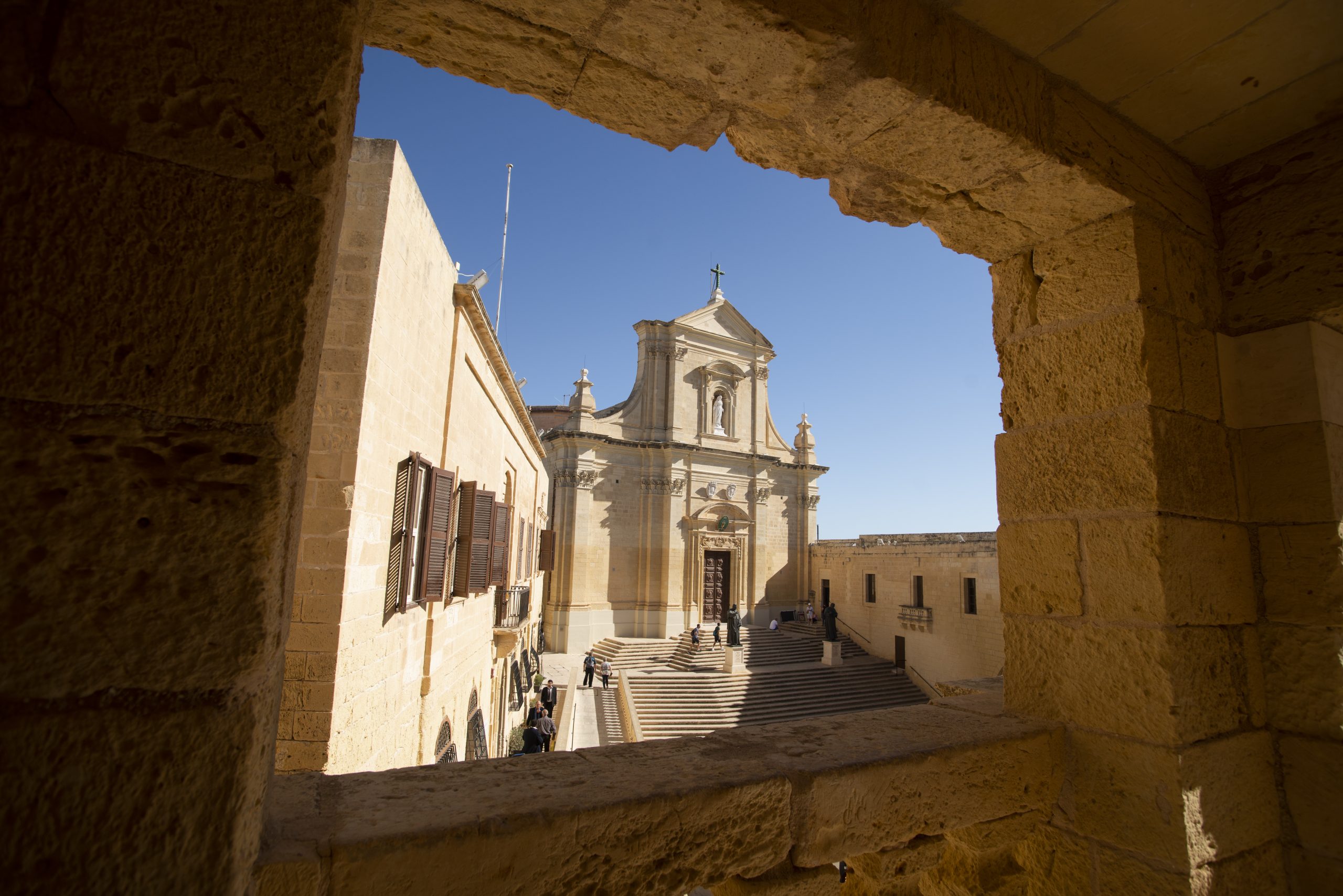
The Citadel in Gozo
Gozo’s Citadel gives the sister island its most commanding viewpoint. It is perched magnificently atop a steep hill with views that are second to none. From its fortified walls, visitors can look across the rolling Gozitan countryside, scattered villages, terraced fields, and the distant Mediterranean coastline that frames the island in every direction. The site has stood as a defensive stronghold for centuries and remains one of the clearest reminders of Gozo’s strategic importance throughout history.
Walking through the Citadel is an experience that combines history, architecture and atmosphere in equal measure. Narrow stone streets wind between restored buildings, museums and old residences that preserve the character of earlier eras. The Cathedral at the centre of the complex adds another focal point, with its elegant Baroque façade and richly decorated interior contrasting with the austere defensive walls outside.
As the day progresses, the Citadel changes character entirely. During the afternoon it is lively with visitors exploring its cultural sites and viewpoints, while evenings bring a quieter atmosphere as the limestone walls glow golden in the setting sun. It is equally rewarding for photographers, history enthusiasts and travellers simply seeking a peaceful place to appreciate Gozo’s distinct identity and slower pace of life.
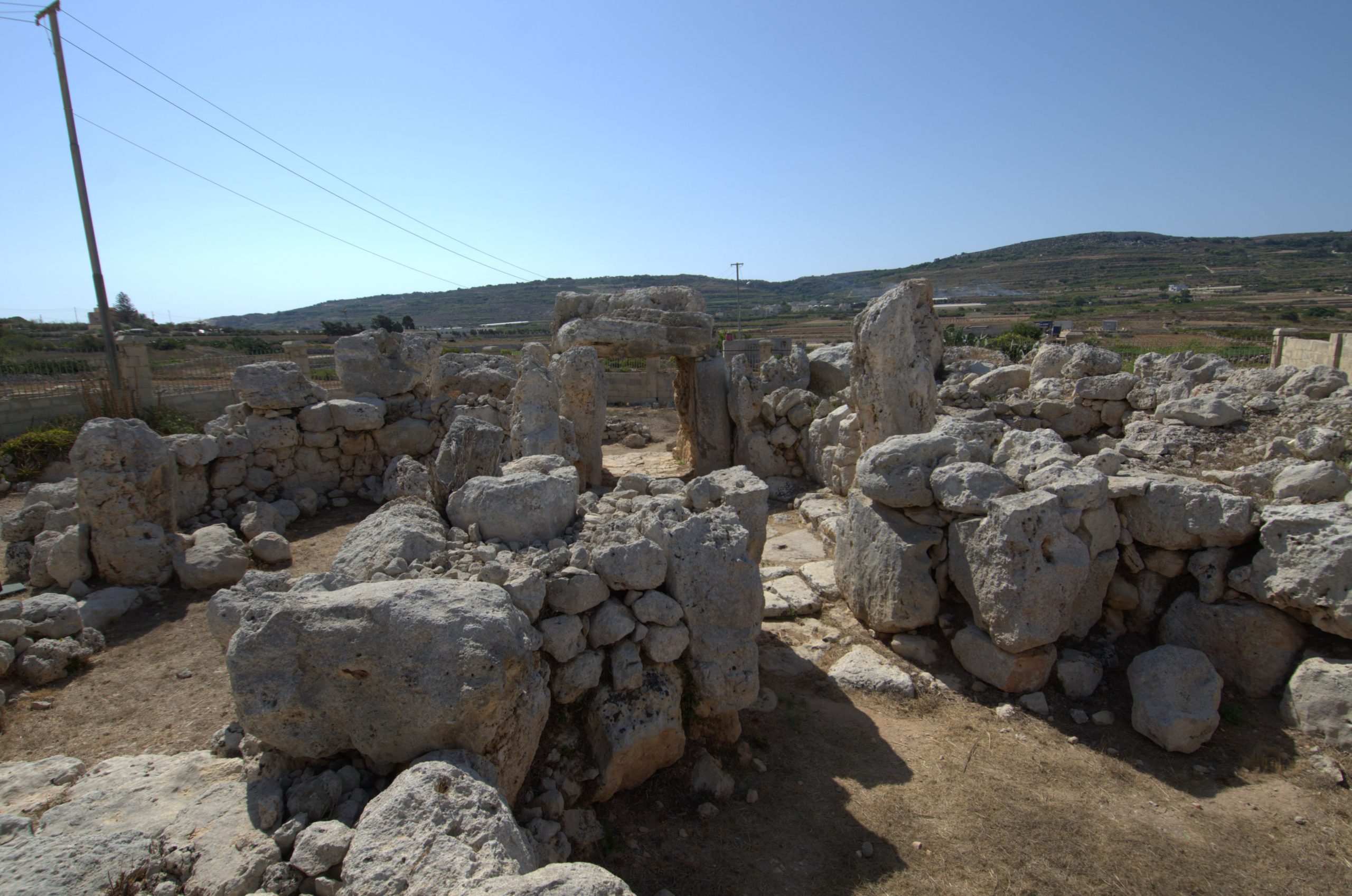
Hal Tarxien Prehistoric Complex
Hal Tarxien stands among Malta’s most important archaeological landmarks and remains the largest prehistoric temple complex on the islands. Recognised as a UNESCO World Heritage site, the temples date to the Neolithic period and offer rare insight into a civilisation that flourished thousands of years before the rise of the classical Mediterranean world. Built between roughly 3600 and 2500 BC, the complex reflects an advanced society capable of remarkable architectural and artistic achievement despite the limitations of its era.
The site’s surviving chambers, carved stone altars, spirals and sculptural fragments reveal evidence of ritual life and religious practice deeply rooted in Malta’s earliest history. Massive limestone blocks were shaped and positioned with extraordinary precision, while decorative motifs demonstrate a sophisticated symbolic culture that continues to intrigue archaeologists today.
What makes Tarxien especially significant is the historical perspective it brings to the islands. Beyond Malta’s harbours, Baroque churches and coastal scenery lies a far older narrative, one that places the archipelago among the earliest centres of monumental construction in Europe. The temples stand as enduring proof that Malta’s cultural importance did not begin with later empires or modern tourism, but reaches back into prehistory itself.
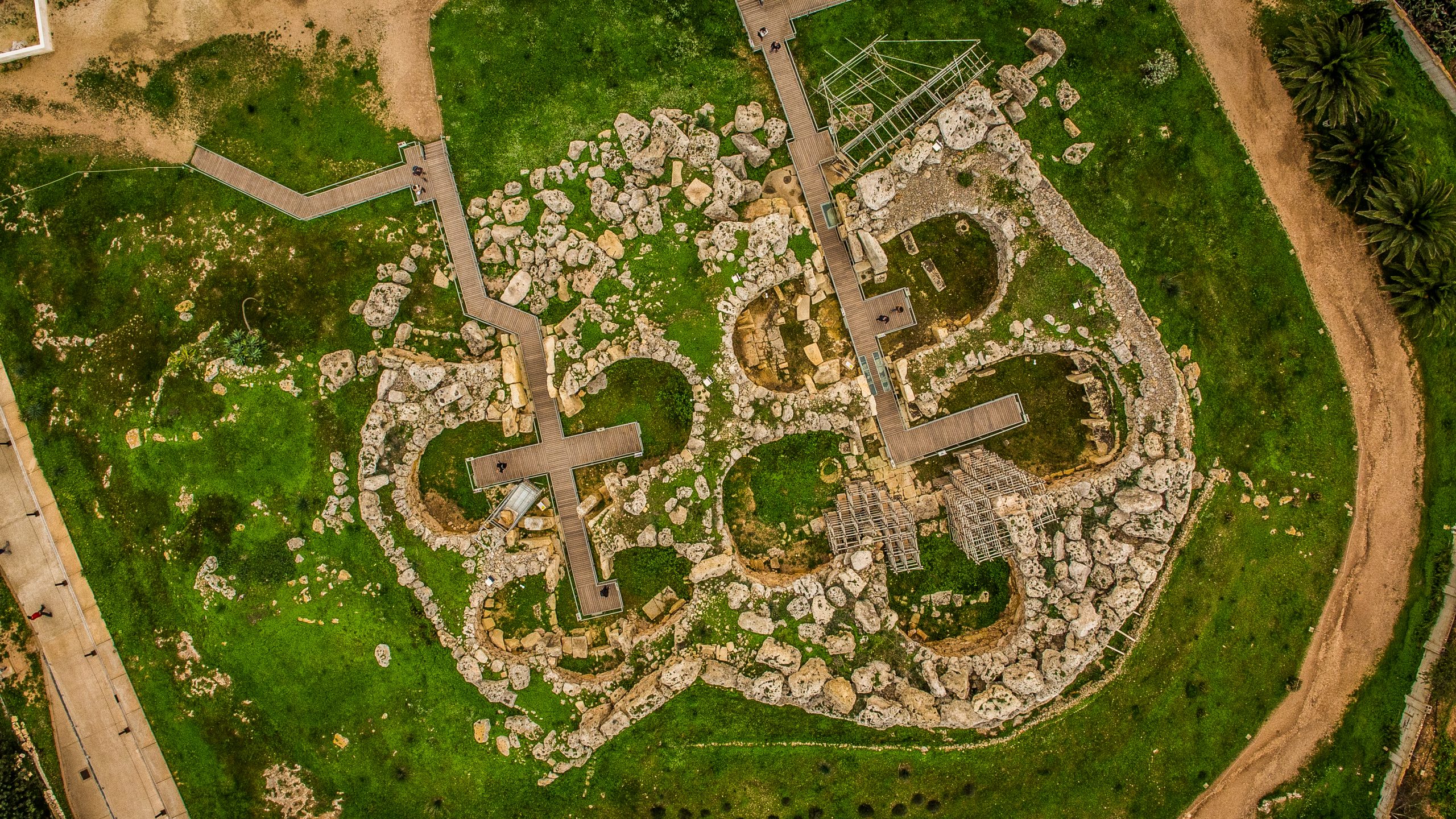
Ggantija Archaeological Park, Gozo
Before Malta became known for harbours, fortifications and summer escapes, the islands were already home to some of the world’s earliest monumental architecture. On Gozo, the Ggantija Archaeological Park stands as one of the clearest examples of that inheritance. UNESCO recognises Ggantija as part of the Megalithic Temples of Malta, a group of prehistoric sites considered among the oldest free-standing stone structures in the world. Dating back to the Neolithic period, the complex predates both Stonehenge and the pyramids of Egypt.
Set just outside the village of Xaghra, the site carries a very different atmosphere from Malta’s busier attractions. The stone walls rise unexpectedly from the Gozitan landscape, massive and weathered, with their scale giving rise to local legends that giants built them, which is where the name Ggantija originates. The visitor experience is about the realisation of how long human life has unfolded on these islands.
The complex consists of two temples enclosed within a single boundary wall, with evidence suggesting ritual and communal use. Walking through the site in summer, especially earlier in the day before the heat intensifies, gives visitors a chance to experience one of the Mediterranean’s most significant prehistoric landmarks without distraction.
Need a short-let stay in Malta?
Browse Malta Holiday Lets for flexible short-term rentals across Malta, ideal for summer visits, family holidays, business trips and longer island stays.

Simone Scotto
📍 Malta Holiday Lets