




 Back to Blogs
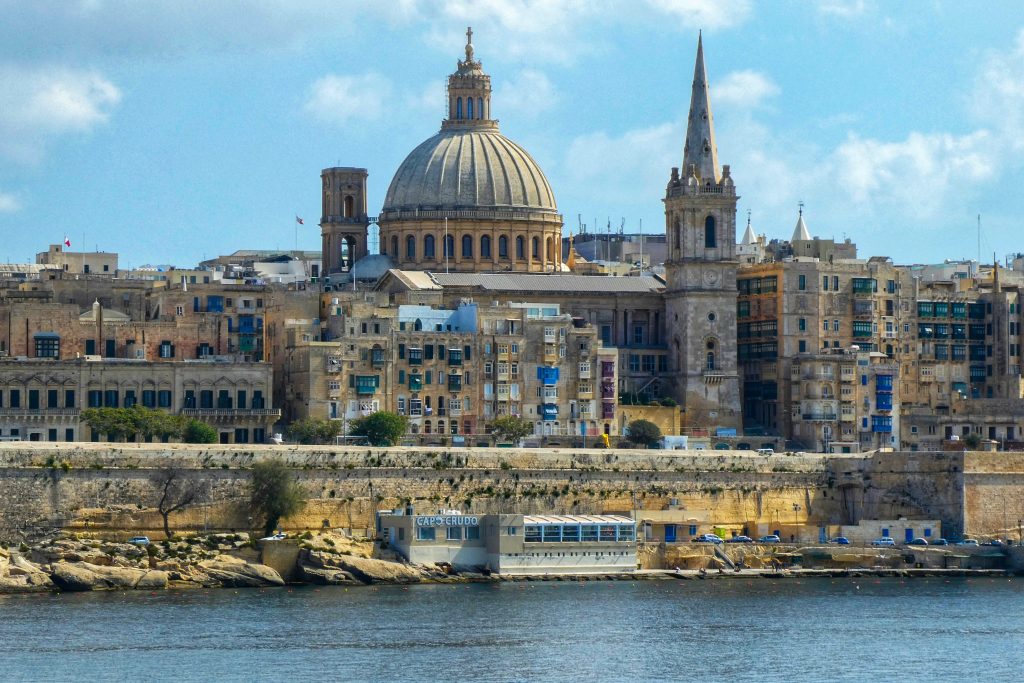
Malta boasts an architectural diversity that reflects its numerous cultural influences and strategic importance over the millennia. Here you will come across anything from prehistoric megalithic temples to the grandeur of Baroque palaces and the functional modernist structures of today. Malta’s architecture is simply put, a remarkable testament to its complex and layered history. This article provides an overview of the island’s architectural evolution, highlighting the distinctive styles that define its unique character.
Prehistoric and Classical Influences
Malta’s architectural journey begins with the megalithic temples, among the oldest free-standing structures in the world. Dating from approximately 3600 to 2500 BCE, these structures – such as Ggantija, Hagar Qim and Mnajdra – are remarkable for their massive limestone blocks, intricate carvings and astronomically aligned layouts. The temple builders left behind a legacy of sophisticated construction techniques that still intrigue archaeologists today.
Following the temple period, Malta fell under Phoenician and later Roman control, each leaving their architectural imprint. The Phoenicians (circa 8th century BCE) introduced harbour fortifications and early town planning, while the Romans (from 218 BCE) enriched the island with villas, baths and roads. The most famous remnant of Roman architecture is the Domus Romana in Rabat, known for its exquisite mosaic floors and colonnaded courtyards.
Medieval and Islamic Influences
During the Arab rule (870–1091 CE), Malta experienced significant architectural transformation. Islamic influence introduced compact urban layouts, internal courtyards and the use of local limestone in construction. This period saw the development of Mdina and Birgu’s narrow, winding streets, which were designed to provide shade and coolness in the hot Mediterranean climate. The Arabs also introduced water management systems such as qanats, which influenced later building designs.
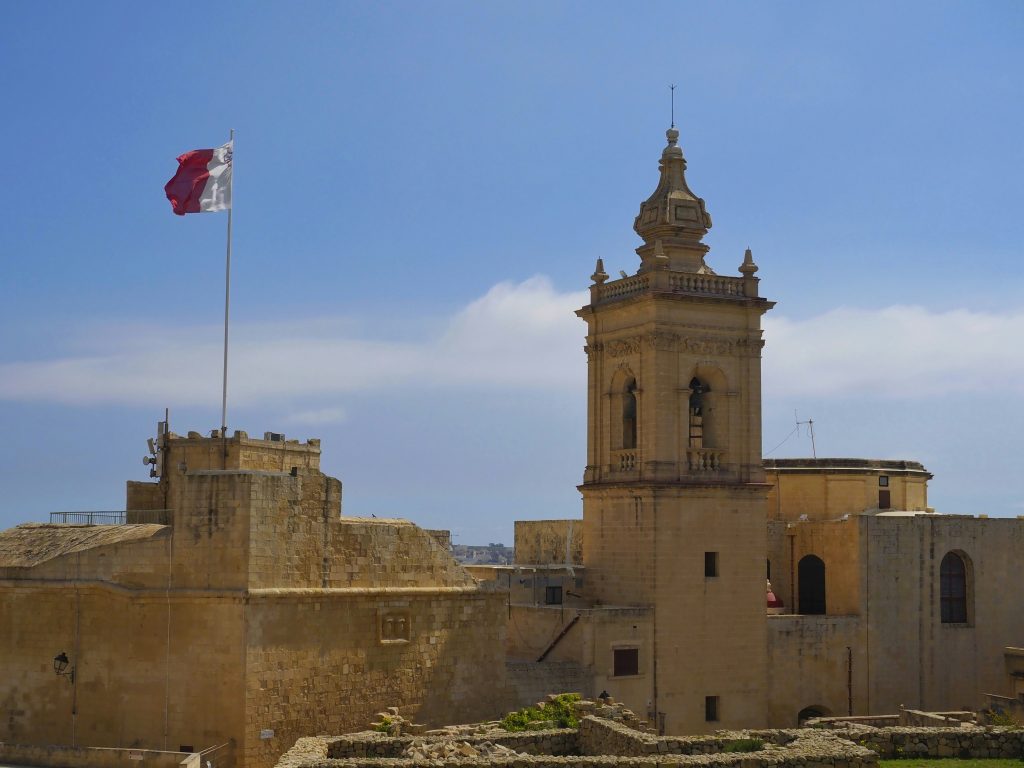
With the Norman Conquest in the 11th century, Islamic architectural elements blended with the emerging European medieval style. The fortified city of Mdina, often called the ‘Silent City’, preserves medieval structures with their characteristic thick walls, small windows and pointed arches, reflecting the defensive needs of the time.
Renaissance and Baroque Splendour
The arrival of the Knights of St John in 1530 heralded a golden era for Maltese architecture. They commissioned the construction of Valletta, Malta’s capital, in the late 16th century following the Great Siege of 1565. Designed by Francesco Laparelli and later completed by Girolamo Cassar, Valletta’s grid-patterned streets and imposing bastions set new standards for urban planning.
The Baroque style flourished under the Knights, evident in grand buildings such as St John’s Co-Cathedral, designed by Cassar. The cathedral’s austere exterior contrasts with its opulent interior, featuring gilded walls, elaborate marble tombs and Caravaggio’s renowned painting, The Beheading of Saint John the Baptist.
Palaces, auberges and churches in Valletta and the Three Cities exhibit dramatic Baroque features, including ornate facades, curved lines and sculptural elements. These structures, built using local globigerina limestone, contribute to Malta’s warm, golden-hued cityscapes.
Neoclassical and British Colonial Influences
The 19th and early 20th centuries introduced Neoclassical and British colonial architectural elements, a legacy of Malta’s status as a British protectorate (1800–1964). Neoclassical buildings, such as the Main Guard in Valletta, feature symmetrical facades, columns and pediments reminiscent of Greco-Roman ideals.
The British era also saw the construction of functional military and civic buildings, including barracks, hospitals and the Royal Opera House (destroyed during World War II). The Victorian influence introduced sash windows, adapting traditional Maltese domestic architecture to modern needs.
From Art Nouveau to Art Deco, Mid-Century Modernism and Contemporary Trends
Surviving examples of Art Deco, Art Nouveau and modernist mid-century architecture can still be found throughout Malta. Notable Art Deco buildings include the Rialto Cinema in Birkirkara and several residential properties in Sliema, showcasing the style’s geometric patterns and streamlined facades. The most famous of these are the Balluta Buildings on Piazza tal-Balluta. The apartment block was built in 1928 for Marquis John Scicluna and it was designed by the architect Giuseppe Psaila. Art Nouveau influences are evident in select townhouses in Attard, Valletta and Floriana, featuring intricate wrought-iron balconies and floral motifs. One prime example is Villa Roseville in Attard which was built as a summer residence for a Dr. Walter Briffa.
Mid-century modernist structures, such as government buildings and apartment blocks in Msida and Gzira, reflect a shift towards functional, minimalist designs with clean lines and large windows, adapting international trends to Malta’s unique climate and materials.
Malta’s post-independence architecture reflects international influences and the island’s economic growth. The Brutalist movement, popular in the mid-20th century, left its mark on governmental and institutional buildings, such as the building which formerly housed the department of Architecture of University of Malta. It is considered to be one of the most outstanding examples of 60’s/mid-century modernist architecture.
In recent decades, contemporary architecture has embraced sustainability and innovation. Projects like the new Parliament House, designed by Renzo Piano, blend modernity with historical preservation. As with many other places in Malta, luxury high-rises and commercial developments are in stark contrast with traditional limestone structures, often sparking debates on urban conservation versus modernisation.
Modern Blocks in Special Designated Areas: Examples of Cutting-Edge Architecture
As Malta continues to develop, Special Designated Areas (SDAs) have emerged as hubs for modern, high-end residential and commercial projects. Developments such as Mercury Towers, designed by the renowned architect Zaha Hadid, exemplify cutting-edge architecture with a mix of sleek, curved glass facades and innovative urban planning. Similarly, the ORA complex in St Julian’s integrates contemporary aesthetics with sustainable design principles, offering luxury living while respecting Malta’s historical context.
These SDAs attract both local and international investors, reshaping Malta’s skyline with towering structures that contrast sharply with the island’s traditional low-rise limestone buildings. Despite concerns over urbanisation, these projects showcase Malta’s ability to balance heritage conservation with architectural modernity, ushering in a new era of sophisticated urban living.
The Uniqueness of Maltese Architecture
Malta’s architecture is uniquely characterised by its use of globigerina limestone, which gives buildings their distinct honey-coloured appearance. The traditional Maltese balcony or gallerija, a wooden, enclosed feature often painted in vibrant colours, is another hallmark of local architecture, reflecting both aesthetic and functional considerations. The gallerija has informally been adopted as the official emblem for Malta along with the luzzu or traditional Maltese fishing boat. Shaped by centuries of adaptation, Malta’s unique architectural heritage aims to create a harmonious blend of ancient, medieval and modern elements. The juxtaposition of fortified cities, opulent Baroque churches and sleek contemporary structures that encapsulates the island’s continuous architectural evolution works together in deep respect of the past, acceptance of the present and careful consideration of the future.