


Property For Sale
First Time Buyer Package
First Time Buyer’s Guide
Buy and Sell Through Us Offer
Buy And Sell Guide
Bank Loans
Property For Rent
Residential Letting Services
Flat Sharing
How To Be A Good Tenant
Malta Holiday Lets
Malta Residence Programmes
Rental Investment
Register Your Property
Explore Our Sole Agency Packages
Required Documents For sale Of Property
Energy Performance Certificates
Property For Sale/Rent
Commercial Property Services
Useful Information
Commercial Property Classes
Why Relocate Your Business To Malta?
Major Office Developments In Malta
BUY
Property For Sale
First Time Buyer Package
First Time Buyer’s Guide
Buy and Sell Through Us Offer
Buy And Sell Guide
Bank Loans
RENT
Property For Rent
Residential Letting Services
Flat Sharing
How To Be A Good Tenant
Malta Holiday Lets
FOREIGN CLIENTS
Malta Residence Programmes
Rental Investment
SELL
Register Your Property
Explore Our Sole Agency Packages
Required Documents For sale Of Property
Energy Performance Certificates
COMMERCIAL
Property For Sale/Rent
Commercial Property Services
Useful Information
Commercial Property Classes
Why Relocate Your Business To Malta?
Major Office Developments In Malta
Relocating from the UK
to Malta
A practical 2026 guide for UK nationals exploring residency, property, healthcare, taxation, lifestyle and relocation support in Malta.
Property For Sale
First Time Buyer Package
First Time Buyer’s Guide
Buy and Sell Through Us Offer
Buy And Sell Guide
Bank Loans
Property For Rent
Residential Letting Services
Flat Sharing
How To Be A Good Tenant
Malta Holiday Lets
Malta Residence Programmes
Rental Investment
Register Your Property
Explore Our Sole Agency Packages
Required Documents For sale Of Property
Energy Performance Certificates
Property For Sale/Rent
Commercial Property Services
Useful Information
Commercial Property Classes
Why Relocate Your Business To Malta?
Major Office Developments In Malta
BUY
Property For Sale
First Time Buyer Package
First Time Buyer’s Guide
Buy and Sell Through Us Offer
Buy And Sell Guide
Bank Loans
RENT
Property For Rent
Residential Letting Services
Flat Sharing
How To Be A Good Tenant
Malta Holiday Lets
FOREIGN CLIENTS
Malta Residence Programmes
Rental Investment
SELL
Register Your Property
Explore Our Sole Agency Packages
Required Documents For sale Of Property
Energy Performance Certificates
COMMERCIAL
Property For Sale/Rent
Commercial Property Services
Useful Information
Commercial Property Classes
Why Relocate Your Business To Malta?
Major Office Developments In Malta
Want to move from the UK to Malta? What to expect!
Why has relocating from the UK to Malta become so popular?
Relocating from the UK to Malta has become hugely popular in recent years as more people look for a stable, well-connected European base that offers practical residency routes and a smooth day-to-day lifestyle.
Malta’s shared history with the UK, established legal system and the widespread use of English reduce the friction that often comes with moving abroad.
Yet post-Brexit rules mean the process is no longer automatic for UK nationals, making accurate information key to planning a successful relocation.
What happens if you want to stay in Malta longer than 90 days?
If you plan to remain in Malta beyond 90 days, you will need a residency permit issued by Identità (formerly Identity Malta).
Your route depends on your circumstances, such as work, study, family reunification or investment.
What is the Malta Permanent Residence Programme?
The MPRP is one of the most popular routes for UK nationals who want long-term stability without the need to renew permits annually but it does not give one the right to work.
- Property: Rent a qualifying property at €14,000 or more per year, or purchase one for at least €375,000. You must hold the property for five years.
- Government contribution: €60,000 if renting, €30,000 if buying.
- Administrative fee: A one-time, non-refundable €50,000.
- Donation: €2,000 to a registered Maltese NGO.
- Financial stability: Evidence of €500,000 in assets, including €150,000 in financial assets.
- Dependants: €10,000 per additional dependant.
What are the benefits of the Malta Permanent Residence Programme?
Permanent residency, the ability to include family members and visa-free travel across the Schengen area for short stays.
Many other residency programmes are available, so look at the full list here to see which one is perfect for you.
What can UK nationals expect from daily life in Malta?
Once you have secured residency, you gain access to a way of living that many UK movers value immediately. Malta’s compact scale makes daily life efficient. High-speed digital infrastructure supports remote work.
English is used in government, education and business, which removes many of the barriers typically associated with moving abroad.
- Walkable towns with cafés, pharmacies, grocery shops and services within easy reach
- Well-connected public transport and short commutes
- A strong sense of community, particularly in areas with established expat networks
- A cultural calendar that runs year-round, ranging from classical music to contemporary art
- An outdoor-friendly lifestyle thanks to Malta’s temperate climate
The longer you live here, the more the islands will reveal their rhythm and newcomers often appreciate how quickly they settle compared to other European destinations.
What costs should be considered when relocating from the UK to Malta?
Relocating from the UK to Malta typically involves several layers of expense.
Upfront costs may include:
- Flights and temporary accommodation
- Shipping of belongings, usually £2,000 and up depending on volume
- Rental deposits, normally one month’s rent
- Residency application fees and legal support
Malta is generally more affordable than the UK in areas like dining, transport and property, although prices vary by locality. Expect one-bedroom apartments in sought-after areas to range from €1,100 to €1,800 monthly, with significantly lower prices in Gozo and outlying regions.
Can UK nationals drive in Malta?
UK driving licences remain valid for short stays up to 12 months. For longer-term residents, exchanging your UK licence for a Maltese one is straightforward and usually free of charge.
Malta drives on the left and road signs are in English, making the transition easy for Brits.
What should UK nationals know about tax residency and non-dom status?
When UK nationals relocate to Malta, understanding the local tax system is crucial, as it differs significantly from the UK’s framework. One key feature that attracts many expats is Malta’s non-domiciled (non-dom) tax status, which offers substantial tax advantages.
Non-domiciled status applies to individuals who reside in Malta but do not have their “domicile” there - meaning Malta is not their permanent home for legal purposes.
- Remittance Basis Taxation: Non-dom residents in Malta are taxed on their Malta-source income and any foreign income they remit into Malta. Foreign income that remains offshore and is not remitted to Malta is not taxed.
- No Tax on Foreign Capital Gains: Gains made outside Malta are generally not subject to tax, even if remitted.
- Attractive for Retirees and Remote Workers: This system allows UK nationals with foreign pensions, investments, or business income to benefit from Malta’s favourable tax regime.
What life in Malta offers UK nationals
Once you have secured residency, you gain access to a way of living that many UK movers value immediately. Malta’s compact scale makes daily life efficient. High-speed digital infrastructure supports remote work.
English is used in government, education and business, which removes many of the barriers typically associated with moving abroad.
Walkable towns with cafés, pharmacies, grocery shops and services within easy reach
Well-connected public transport and short commutes
A strong sense of community, particularly in areas with established expat networks
A cultural calendar that runs year-round, ranging from classical music to contemporary art
An outdoor-friendly lifestyle thanks to Malta’s temperate climate
The longer you live here, the more the islands will reveal their rhythm and newcomers often appreciate how quickly they settle compared to other European destinations.
Where UK nationals often choose to live
Although Malta is small, each region offers a distinct lifestyle. Popular areas for UK expats include:
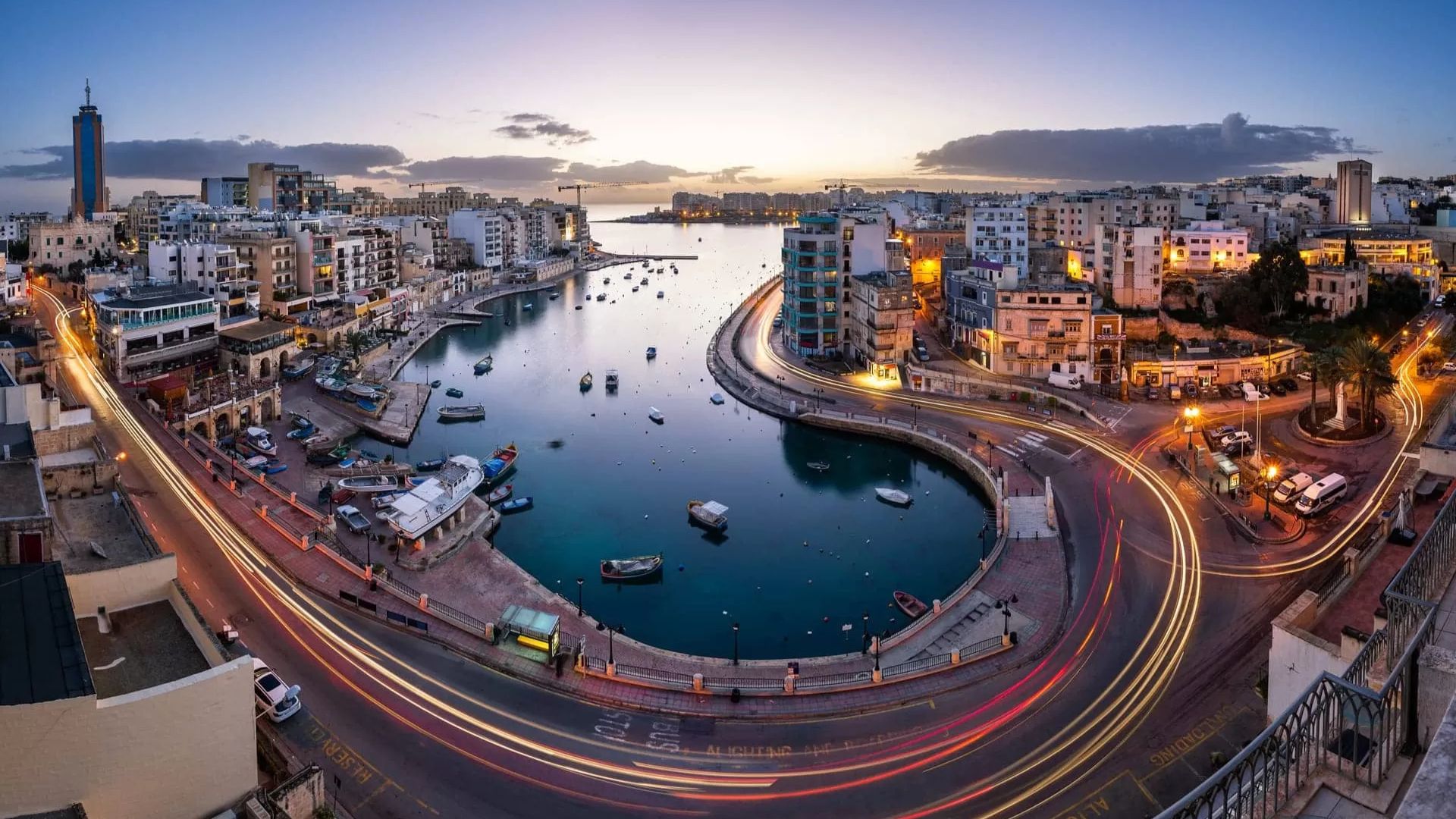
Sliema and St Julian’s
Central, convenient and home to shops, cafés and coastal paths.
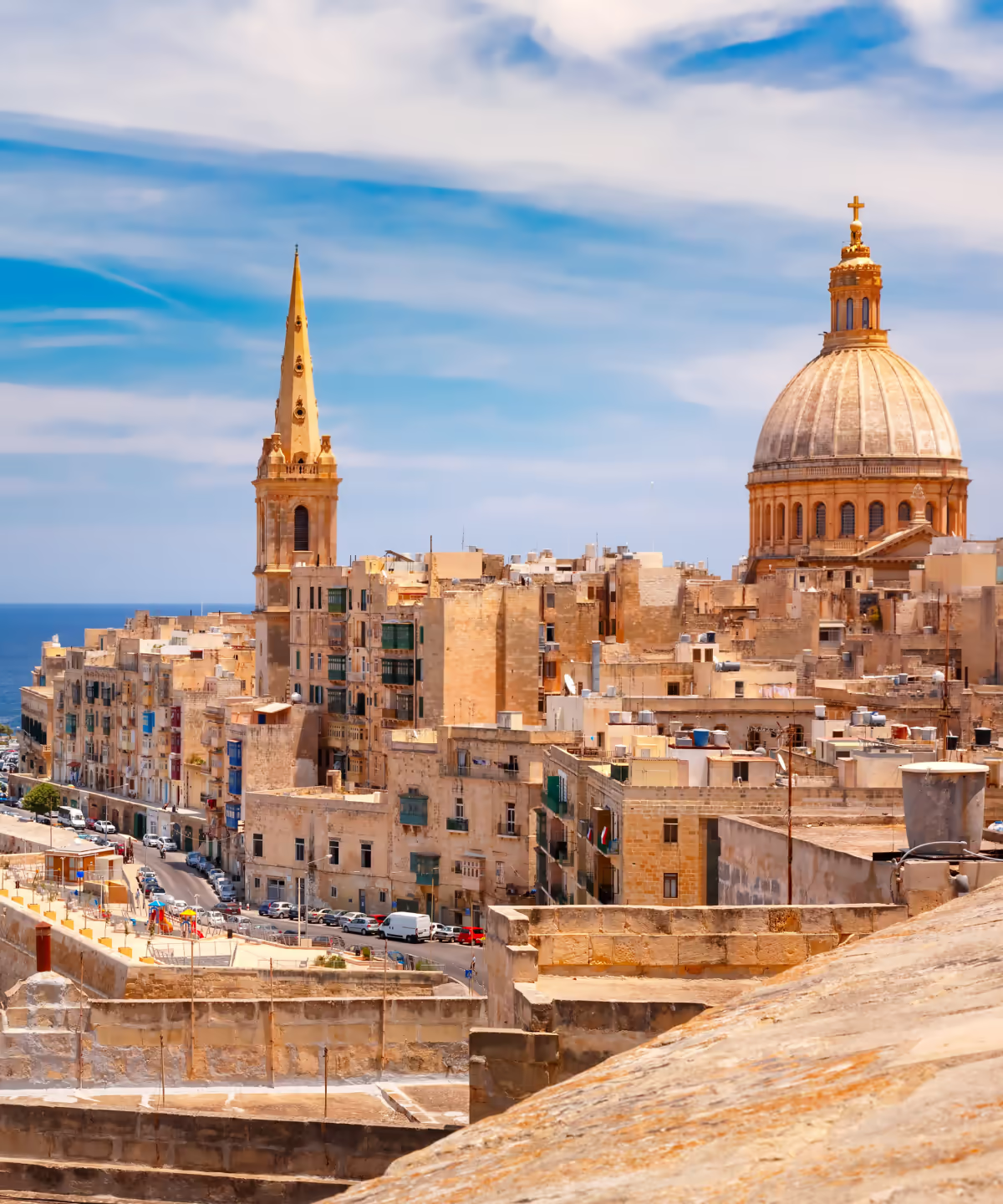
Valletta
Rich in architecture and culture, suited to those who enjoy historic settings.

Mellieha and St Paul’s Bay
Northern coastal areas offering more space and relaxed surroundings.
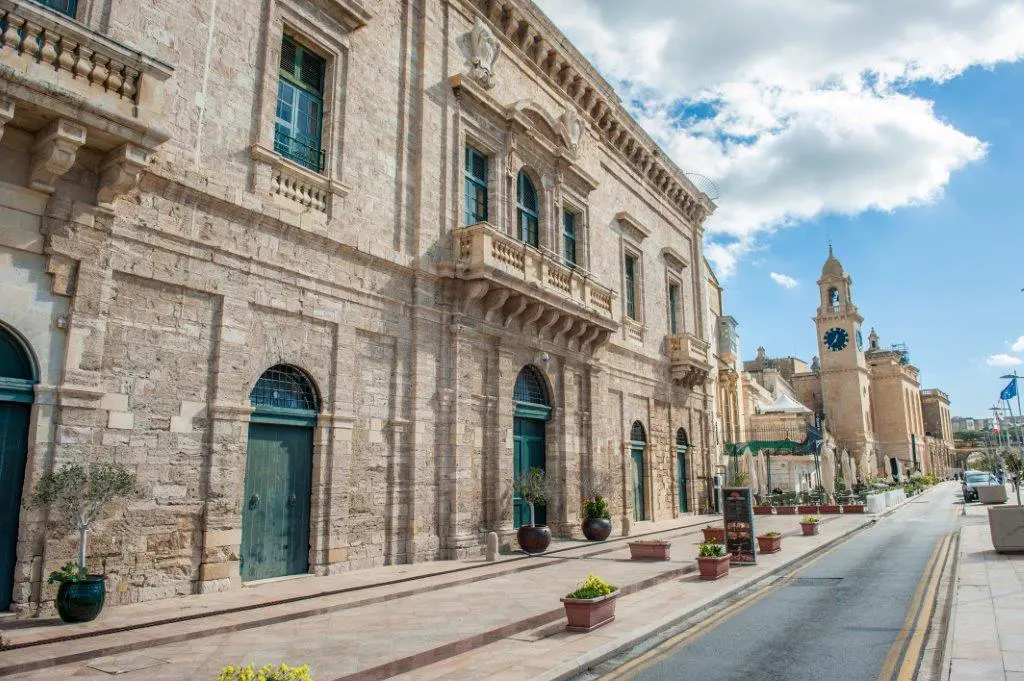
The Three Cities
An atmospheric waterfront district with strong heritage character.

Gozo
Favoured by those seeking quieter living, remote workers and retirees.
If you want to do some research on buying or renting property in Malta, this should be your first stop.
Do you want more information about relocation from the UK to Malta?
Do you need personal advice about residency, taxes or living in Malta? We would love to help you.
Understanding residency routes for UK nationals
Short stays
UK citizens may stay in Malta for up to 90 days within any 180-day period without a visa. This is ideal for initial exploratory trips, remote working trials or property viewings.
Residency for stays longer than 90 days
If you plan to remain in Malta beyond 90 days, you will need a residency permit issued by Identità (formerly Identity Malta). Your route depends on your circumstances, such as work, study, family reunification or investment.
The Malta Permanent Residence Programme (MPRP)
The MPRP is one of the most popular routes for UK nationals who want long-term stability without the need to renew permits annually but it does not give one the right to work.
- Property: Rent a qualifying property at €14,000 or more per year, or purchase one for at least €375,000. You must hold the property for five years.
- Government contribution: €60,000 if renting, €30,000 if buying.
- Administrative fee: A one-time, non-refundable €50,000.
- Donation: €2,000 to a registered Maltese NGO.
- Financial stability: Evidence of €500,000 in assets, including €150,000 in financial assets.
- Dependants: €10,000 per additional dependant.
Most applications are processed within several months, though this depends on due diligence and the completeness of your documentation.
Permanent residency, the ability to include family members and visa-free travel across the Schengen area for short stays.
Many other residency programmes are available, so look at the full list here to see which one is perfect for you.
Easy travel to and from the UK
When you live in Malta, it is very easy to get to and from the UK. From Malta International Airport (MLA), there are several non-stop flights to key UK destinations.
Manchester
MANYou can fly directly to Manchester via Ryanair, Jet2, easyJet, or Ryanair UK.
London Stansted
STNFlights to London are also very accessible, with non-stop flights to London Stansted via Ryanair, Jet2, or Ryanair UK.
London Gatwick
LGWBritish Airways, easyJet, and KM Malta Airlines offer direct service to London Gatwick.
Edinburgh
EDIFor those heading further north, there are flights from Malta to Edinburgh via Ryanair or Jet2.
Costs and timeframes to consider
Relocating from the UK to Malta typically involves several layers of expense.
Upfront costs may include:
- Flights and temporary accommodation
- Shipping of belongings, usually £2,000 and up depending on volume
- Rental deposits, normally one month’s rent
- Residency application fees and legal support

Living costs
Malta is generally more affordable than the UK in areas like dining, transport and property, although prices vary by locality. Expect one-bedroom apartments in sought-after areas to range from €1,100 to €1,800 monthly, with significantly lower prices in Gozo and outlying regions.
Cost of Living in Malta Guide 2026 →

Bringing pets
Malta is pet-friendly but has strict regulations. Dogs, cats and ferrets entering from the UK must be microchipped, vaccinated against rabies and have an EU pet passport or valid health certificate.
Quarantine is rarely required if all paperwork is in order. Early planning is essential to avoid delays.
Renting with Pets in Malta →

Driving in Malta
UK driving licences remain valid for short stays up to 12 months. For longer-term residents, exchanging your UK licence for a Maltese one is straightforward and usually free of charge.
Malta drives on the left and road signs are in English, making the transition easy for Brits.
Driving and Parking in Malta →Timeframes: From planning your move to obtaining residency, the process can take anywhere from three to six months, depending on the pathway you choose.

Taxation for UK Nationals Moving to Malta
When UK nationals relocate to Malta, understanding the local tax system is crucial, as it differs significantly from the UK’s framework.
Understanding Non-Dom Status and Residency
One key feature that attracts many expats is Malta’s non-domiciled (non-dom) tax status, which offers substantial tax advantages.
What is Non-Dom Status in Malta?
Non-domiciled status applies to individuals who reside in Malta but do not have their “domicile” there - meaning Malta is not their permanent home for legal purposes. This is particularly relevant for many UK nationals who move for work, retirement, or lifestyle reasons but maintain strong ties elsewhere.
Remittance Basis Taxation
Non-dom residents in Malta are taxed on their Malta-source income and any foreign income they remit (bring) into Malta. Foreign income that remains offshore and is not remitted to Malta is not taxed.
No Tax on Foreign Capital Gains
Gains made outside Malta are generally not subject to tax, even if remitted.
Attractive for Retirees and Remote Workers
This system allows UK nationals with foreign pensions, investments, or business income to benefit from Malta’s favourable tax regime.
Becoming a Tax Resident in Malta
You become a tax resident if you spend more than 183 days in Malta during a calendar year or have your primary place of residence and economic interests in Malta. Residency status is separate from domicile and residency permits.
Personal Income Tax Rates
Malta uses a progressive tax rate system, with rates ranging from 0% to 35% on income earned within Malta.
Double Taxation Treaty
Malta and the UK have a double taxation agreement, preventing you from being taxed twice on the same income.
Capital Gains Tax
Gains from property sales in Malta may be taxed, but rules vary depending on the type of property and holding period.
Wealth and Inheritance Taxes
Malta does not impose general wealth or inheritance taxes, which is often beneficial to expatriates.
Practical Advice
- It’s essential to maintain proper records and seek expert advice on structuring your finances to maximise tax efficiency.
- Ensure you understand the difference between tax residency and residency permits to remain compliant.
- We can advise you on finding the best professional tax advisors in Malta who can assist with planning and filing requirements to make the most of your non-dom status.
How Frank Salt Real Estate supports UK expats
Frank Salt Real Estate provides an end-to-end service designed specifically for UK nationals.
Short-lets
Short-lets to support for inspection trips and transitional stays.
Renting
Long lets and tenancy management for families and professionals seeking stability.
Investment
Commercial property sales and rentals designed for business people and investors.
Our full service circle
- Client services that will coordinate your entire experience with us.
- Short-lets to support for inspection trips and transitional stays.
- Long lets and tenancy management for families and professionals seeking stability.
- Buying and selling with market valuations and negotiation support.
- Property management and lettings administration for investment/absent owners.
- Commercial property sales and rentals designed for business people and investors.
- Relocation services including viewing tours, moving logistics and temporary housing solutions.
- Introductions to accredited immigration lawyers and licensed agents for residency applications.
- Assistance with tax and legal advisers to structure personal tax affairs and corporate needs.
- Home Interiors and Renovations Service.
- Utilities and connectivity setup, interior planning and home setup services to make properties move-in ready.
Working with us reduces the guesswork and protects you from common pitfalls and ensures your relocation is seamless.
GET IN TOUCH.